Fast-Moving FinTech Poses Challenge for Regulators
IMF Blog, April 13, 2022
Source details
- Canonical URL
- Fast-Moving FinTech Poses Challenge for Regulators
Other formats
Bibliographic details
- Authors: Antonio Garcia Pascual, Fabio Natalucci
- Published: April 13, 2022
Overview
- Title: Fast-Moving FinTech Poses Challenge for Regulators
- Authors: Antonio Garcia Pascual, Fabio Natalucci
- Date: April 13, 2022
- Context: Summarizes key messages from the Global Financial Stability Report on rapid FinTech advances and implications for financial stability and regulation.
Adding risk
- Neobanks (digital banks) are growing in systemic importance in their local markets.
- Neobanks are more exposed than traditional banks to:
- Consumer lending risks, which "usually has fewer buffers against losses because it tends to be more uncollateralized."
- Higher risk-taking in their securities portfolios.
- Higher liquidity risks: "liquid assets held by neobanks relative to their deposits tend to be lower than what would be held by traditional banks."
- Risk-management systems and overall resilience of most neobanks remain untested in an economic downturn.
- Competitive effects:
- FinTech mortgage originators in the United States have followed aggressive growth strategies during home lending expansions (for example, during the pandemic).
- Competitive pressure from FinTech firms has "significantly hurt profitability of traditional banks, and this trend is set to continue."
- Decentralized finance (DeFi):
- Described as a "crypto-based financial network without a central intermediary."
- Offers potential benefits: "more innovative, inclusive, and transparent financial services" via greater efficiency and accessibility.
- Involves buildup of leverage and is particularly vulnerable to market, liquidity, and cyber risks.
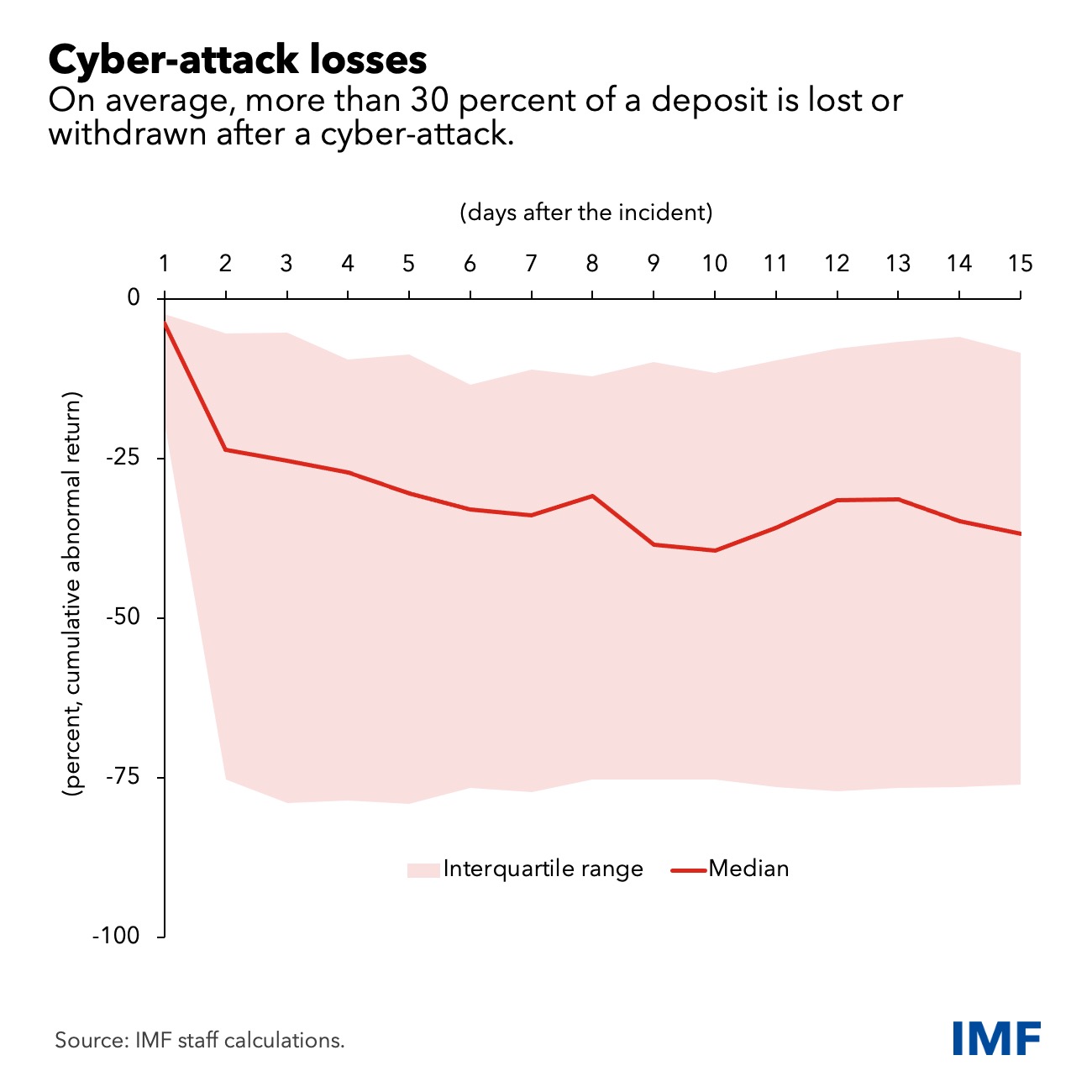
- Cyberattacks can be lethal for DeFi platforms, "stealing financial assets and undermining user trust."
- Lack of deposit insurance in DeFi increases perception that deposits are at risk; "large customer withdrawals often follow news of cyberattacks on providers."
- Growing adoption by institutional investors has strengthened links between DeFi and traditional financial institutions.
- In some economies, DeFi is helping to accelerate "cryptoization, in which residents embrace crypto assets instead of the local currency."
Stepped-up regulation
- Movement of financial-services activity from regulated banks to entities/platforms with little or no oversight shifts associated risks outside traditional regulatory perimeters.
- FinTech and traditional banks remain intertwined, including through "the provision of liquidity and leverage by banks to FinTechs."
- Regulatory challenges:
- Regulatory arbitrage: firms may move or set up operations in less-regulated sectors and regions.
- Interconnectedness that may require supervisory and regulatory action, including better consumer and investor protection.
- Policy guidance and recommendations:
- Implement policies that target both FinTech firms and traditional banks proportionately to foster opportunities while containing risks.
- For neobanks: impose stronger capital, liquidity, and risk-management requirements "commensurate with their risks."
- For incumbent banks and established entities: enhance prudential supervision with greater focus on the health of less technologically advanced banks, whose existing business models "may be less sustainable over the long term."
- For DeFi: focus regulation on entities accelerating its growth, such as stablecoin issuers and centralized crypto exchanges.
- Encourage robust governance in DeFi through industry codes and self-regulatory organizations to serve as conduits for regulatory oversight.
Source: Fast-Moving FinTech Poses Challenge for Regulators — Antonio Garcia Pascual and Fabio Natalucci; April 13, 2022.
Content in this bundle
- Chapter 3