Financial System Soundness
Loading component...
Loading component...
Loading component...
Loading component...
Loading component...
Loading component...
This page was last updated in January 2023

Weak financial institutions, inadequate regulation and supervision, and lack of transparency have been at the heart of global financial crises. These have highlighted the importance of systemic risk monitoring and management, which is why the IMF has stepped up efforts to help countries support sound financial systems.
A country's financial system includes banks and nonbank lenders, insurers, securities markets, and investment funds. It also includes clearing counterparties, payment providers, central banks, and financial regulators and supervisors. These institutions provide a framework to conduct economic transactions and monetary policy and to channel savings into investment, thus supporting economic growth.
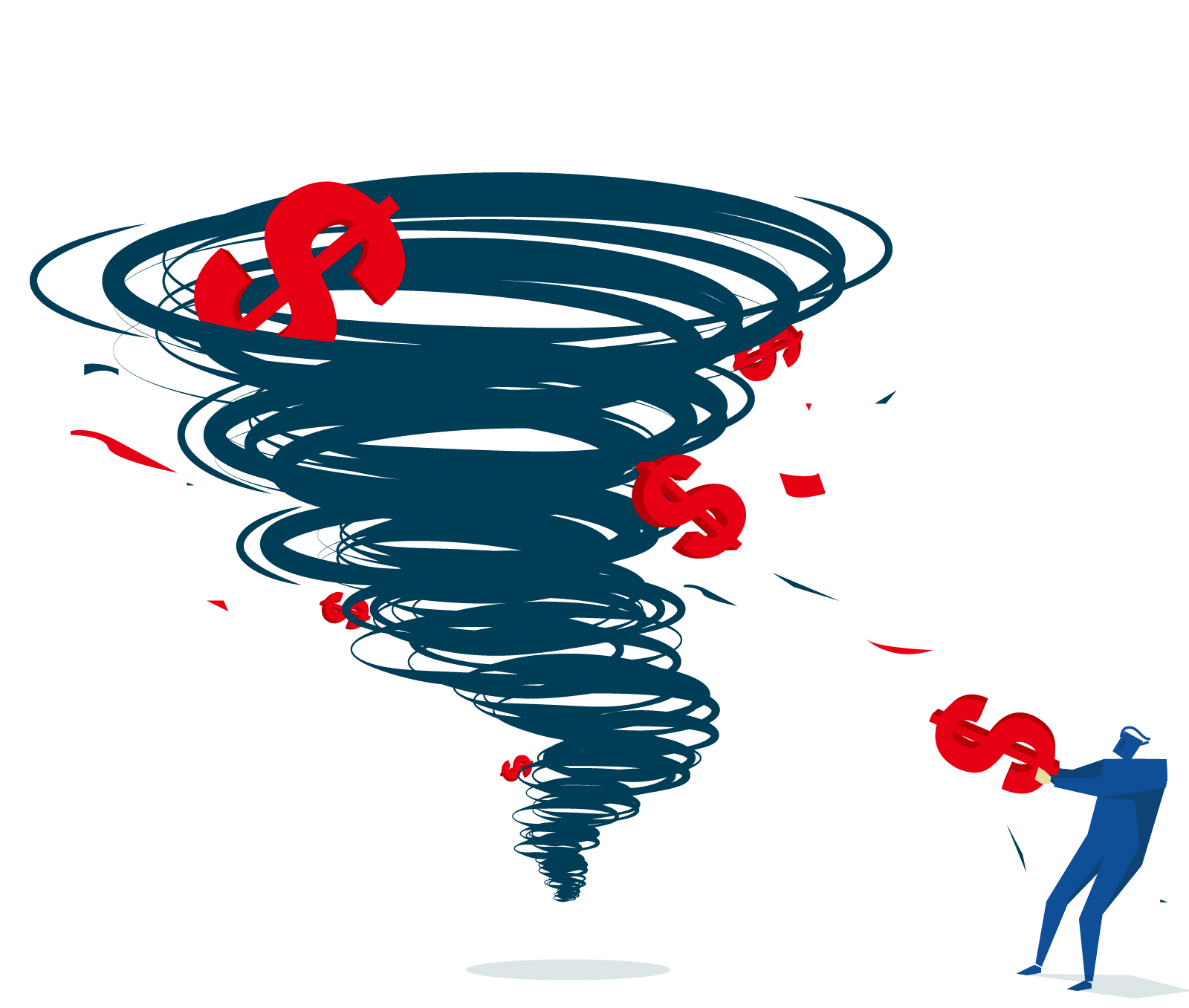
When financial crises occur, they can have far-reaching effects. They can deepen economic downturns, trigger capital flight, and lower exchange rates. They can disrupt financial intermediation and undermine monetary policy. They can have large fiscal costs that come from rescuing troubled financial institutions. Because financial institutions and countries are increasingly connected, financial shocks in one area can quickly spill across financial sectors and national borders.That makes resilient, well-regulated, and well-supervised financial systems essential for economic and financial stability. IMF staff analyses also point to crucial links between financial stability, financial depth, and financial inclusion.
The IMF promotes financial system soundness in member countries through its bilateral and multilateral surveillance, lending programs, and capacity development.

The IMF provides regular policy advice to all its members, also known as an Article IV consultation. It covers countries’ macroeconomic and financial developments and policies. In Article IV consultations, the IMF has increased its emphasis on systemic financial-sector risks and macro-financial issues—spillovers to and from the financial sector and other sectors of the economy.
The IMF’s multilateral surveillance seeks to identify risks and promote policies that support orderly global financial conditions. The IMF's Global Financial Stability Report assesses key financial market developments and systemic vulnerabilities. The IMF’s Spillover Notes present IMF work on spillover effects and are featured in the World Economic Outlook. Other examples of multilateral surveillance include the semiannual Early Warning Exercise, jointly carried out by the IMF and the Financial Stability Board (FSB), and regional financial sector surveillance projects covering Central America, the West African Economic and Monetary Union, the Central African Economic and Monetary Community, the Eastern Caribbean Currency Union, and the European Union. Regional Economic Outlook reports also often analyze financial sector related issues.


Effective financial surveillance at the bilateral and multilateral levels is a key strategic priority for the IMF. Following the 2014 Triennial Surveillance Review, IMF staff made a considerable effort to integrate and deepen risk and spillover analysis and enhance the coverage and integration of macro-financial issues in Article IV consultations by mainstreaming macro-financial surveillance.
The IMF has identified core financial soundness indicators to assess financial systems’ strengths and vulnerabilities and supports countries’ efforts to compile and disseminate such indicators. The IMF’s Financial Access Survey contributes to broader efforts to compile data on financial inclusion.


This program provides member countries with an in-depth, comprehensive evaluation of their financial systems. Introduced on a voluntary basis, the FSAP is now a mandatory part of Article IV consultations with countries that have systemically important financial sectors.
IMF-supported lending programs often include measures to strengthen member countries' financial systems. For example, the IMF can help members with institutional settings to monitor and address systemic risk, identify and diagnose financial system problems, design strategies for systemic reforms and bank restructuring, and ensure that such strategies are consistent with and supported by appropriate macroeconomic and other structural policies.


Capacity development helps member countries to develop and strengthen their financial systems. IMF assistance may include training and advice on monetary and macro-prudential policy frameworks, debt management, or development of foreign exchange and capital markets. It also may include the design of payment systems and deposit insurance arrangements, regulation and supervision of financial institutions, crisis preparedness, crisis management, bank resolutions, and central bank governance and transparency.