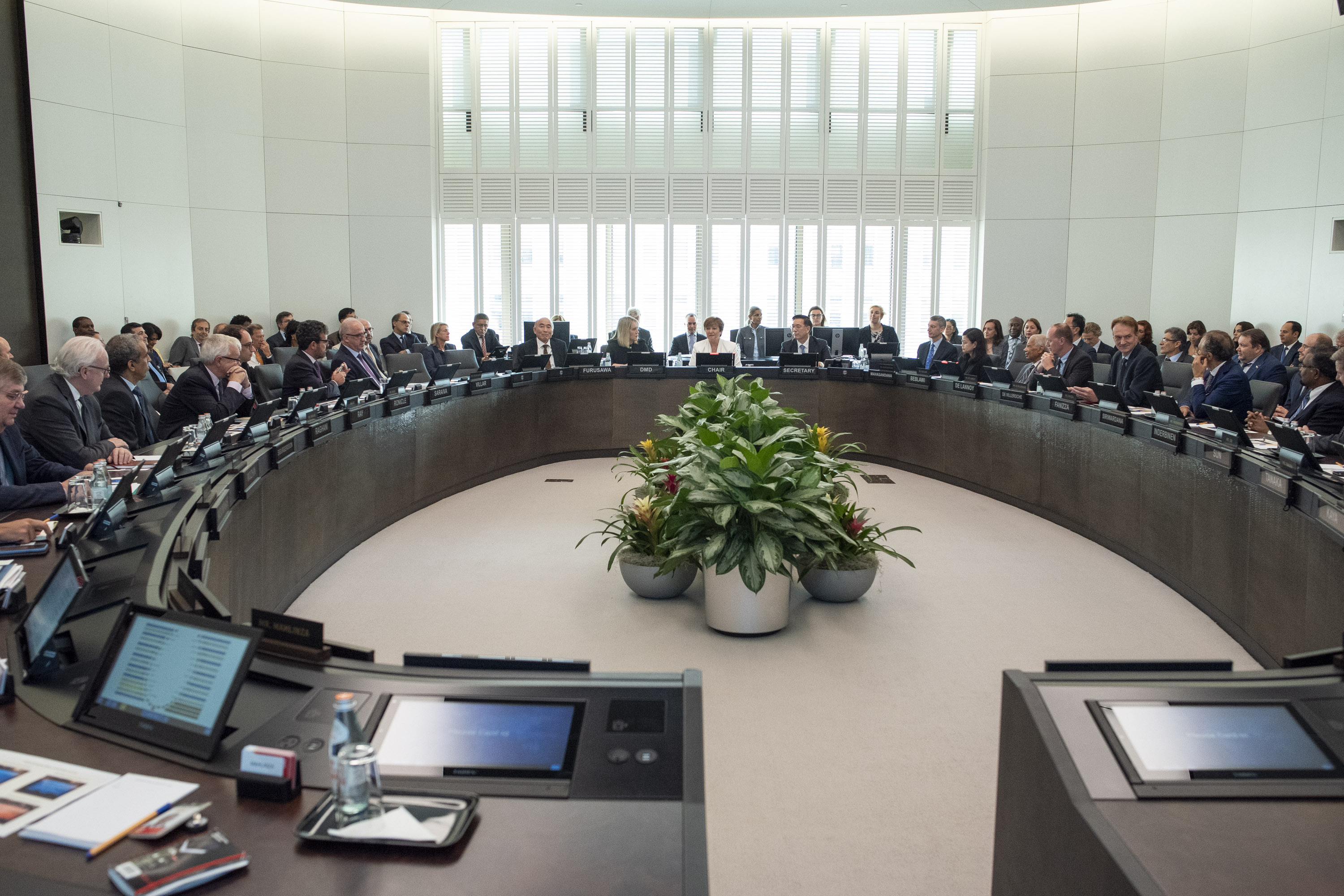
IMF Executive Board Completes the Second Review Under the Policy Coordination Instrument for Cabo Verde
IMF News, October 26, 2020
Source details
- Canonical URL
- IMF Executive Board Completes the Second Review Under the Policy Coordination Instrument for Cabo Verde
Other formats
Bibliographic details
- Published: October 26, 2020
Economic outlook and impact of COVID-19
- The COVID-19 pandemic continues to severely affect the Cabo Verde economy.
- Real GDP is projected to contract by -6.8 percent in 2020 (5.7 percent in 2019).
- Real GDP is projected to expand by 4.5 percent in 2021.
- The contraction is mainly due to the collapse in tourism and transport activities, and a sharp contraction in other sectors.
- There are substantial risks to this outlook because of uncertainties about the duration of the pandemic and the expected recovery in the global economy and tourism flows.
Policy response and program performance under the PCI
- The Executive Board completed the second review under the Policy Coordination Instrument (PCI) for Cabo Verde on October 26, 2020 (Press Release No. 20/321).
- Cabo Verde has benefited from the PCI since July 15, 2019.
- Main objectives under the PCI:
- restoring fiscal and debt sustainability;
- restructuring State-Owned Enterprises (SOEs);
- enhancing the monetary policy framework and continuing to build reserves;
- fostering the financial system stability;
- advancing growth-enhancing structural reforms.
- Measures taken by the authorities since the onset of COVID-19:
- enhancing the healthcare system;
- containing the community spread of the disease;
- protecting the most vulnerable through social protection programs;
- providing liquidity to the banking system;
- easing access to credit;
- facilitating the payment of tax obligations.
- Performance under the PCI has remained positive during the pandemic:
- All quantitative targets at end-March 2020 were met, except for the target on tax revenue which was narrowly missed because of the economic impact of COVID-19.
- All reform targets were observed at end-June, except for the streamlining of tax exemptions that was partially met.
Risks, debt sustainability, and financing
- The shock related to COVID-19 has significantly eroded progress made to place public debt on a sustained downward trajectory.
- Cabo Verde is at high risk of debt distress.
- The authorities agreed with staff that post-pandemic policies and reforms should focus on:
- supporting economic recovery;
- enhancing revenue mobilization;
- containing non-priority spending as well as fiscal risks, particularly from SOEs;
- continuing to rely on concessional borrowing.
Executive Board statement (Mr. Zhang, Deputy Managing Director and Acting Chair)
- The near-term outlook is highly uncertain, and there are significant downside risks.
- The authorities have maintained fiscal discipline and reform implementation efforts, and performance under the PCI has remained strong.
- The authorities have increased testing capacity, enhanced health care services, expanded social protection programs, and implemented policy measures to support the corporate sector.
- The authorities have taken actions to execute COVID-related spending in a transparent manner.
- It would be important to refocus on achievement of medium-term fiscal and debt sustainability through fiscal consolidation and continued prudent borrowing policies, relying on highly concessional loans, as the health crisis abates.
- Progress in reforms aimed at increasing efficiency in the public enterprises sector, deepening financial intermediation, and improving the business environment remains critical to support economic recovery and enhance medium-term growth prospects.
- The authorities should continue to focus on completing ongoing reforms in these key areas as the health crisis situation improves.
Press Release No. 20/321 — IMF Communications Department, October 26, 2020.