Chart of the Week: The Potential for Growth and Africa’s Informal Economy
IMF Blog, August 8, 2017
Source details
- Canonical URL
- Chart of the Week: The Potential for Growth and Africa’s Informal Economy
Other formats
Bibliographic details
- Authors: The Editors
- Published: August 8, 2017
Key context and headline findings
- By 2035, sub-Saharan Africa will have added more working-age people to their workforce than the rest of the world’s regions combined.
- In the region, up to 90 percent of jobs outside agriculture are in the informal sector.
- From 2010 to 2014, sub-Saharan Africa’s informal economy accounted for 38 percent of GDP to the region.
- Within sub-Saharan Africa, informal economies vary widely:
- 20 to 25 percent of GDP in Mauritius, South Africa, and Namibia.
- 50 to 65 percent of GDP in Tanzania and Nigeria.
- Informality persists even in advanced economies, so the shift from informal to formal will take many years.
Nature and drivers of informality
- The informal sector includes:
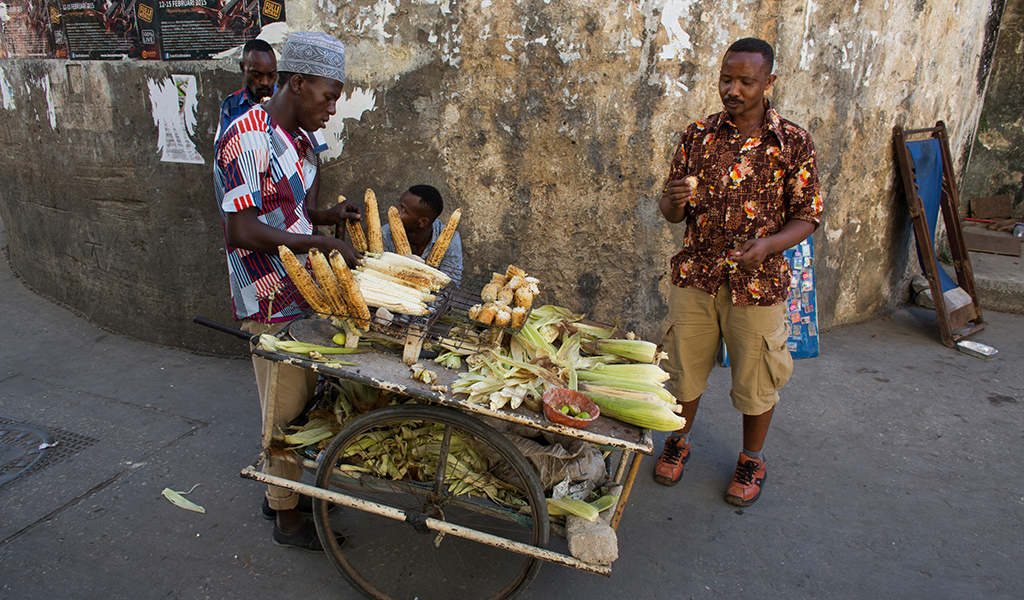
- Unregistered household enterprises (for example, street vendors or domestic workers).
- Off-the-books activities by registered firms (for example, the taxi driver who offers a discount if the meter is not turned on).
- Motivations:
- Survey data show the primary motivation for starting an informal business is to fulfil an aspiration for the future.
- A third of new entrepreneurs in sub-Saharan Africa report choosing this path out of necessity—most would prefer a job in the formal sector, but don’t have that option.
Opportunities and constraints of the informal sector
- Opportunities:
- Acts as a social safety net by providing employment and income to many who might otherwise be unemployed.
- Household survey data suggest that people working in the informal sector consume more goods and services than those in the agricultural sector in many countries.
- Constraints:
- Low productivity: on average, the productivity of informal firms in sub-Saharan Africa is only one-fifth to one-quarter that of formal firms.
- These productivity differences likely reflect a combination of lower skill levels among workers and lower levels of physical capital.
- In countries with large informal sectors, the rate of economic growth is reduced.
Policy implications and recommendations
- Adopt a balanced approach that:
- Increases the productivity of the informal sector.
- Supports the expansion of formal businesses.
- Specific policy levers highlighted:
- Improve access to finance.
- Make it easier for small firms to enter the market.
- Increase access to electricity.
- Rationale: These measures could go a long way in formalizing the informal sector and creating the types of jobs most desirable among sub-Saharan Africa’s expanding workforce.
Source: Chart of the Week: The Potential for Growth and Africa’s Informal Economy (IMF blog, August 8, 2017).