

Abebe Aemro Selassie on Africa's Infrastructure Gap and Debt
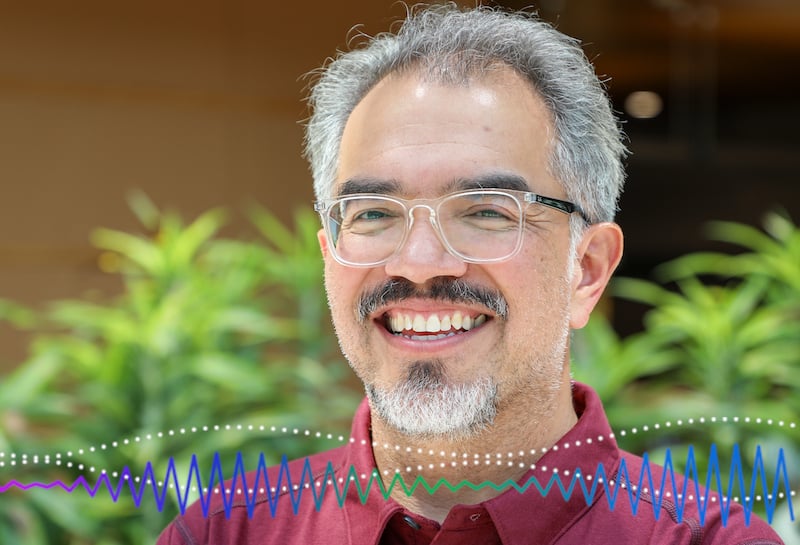
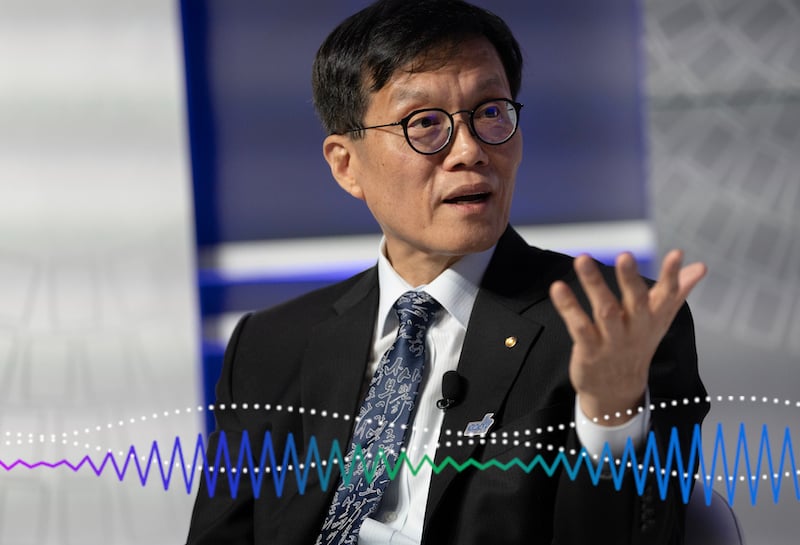
Abebe Aemro Selassie says debt and infrastructure investment need not be competing forces. (IMF photo)
In This Episode
Sub-Saharan Africa has made significant inroads in reducing poverty and increasing access to education and health services, but the infrastructure deficit still looms large throughout the region. For many countries, the ability to finance their development needs has become more constrained as public debt has increased rapidly in recent years. In this podcast, Abebe Aemro Selassie says when governments invest in the right types of infrastructure, people are more willing to pay the taxes the government needs to service its debt. Selassie is Director of the IMF's African Department, which has helped organize a special conference in Dakar, Senegal, this week to discuss how countries can continue to address the infrastructure gap while maintaining manageable debt levels.
Join Us on Every Major Platform




Latest Podcasts
BEHIND THE MIC
Bruce Edwards
International Monetary Fund
Bruce Edwards produces the IMF podcast program. He's an award-winning audio producer and journalist who's covered armed conflicts, social unrest, and natural disasters from all corners of the world. He believes economists have an important role in solving the world's problems and aspires to showcase their research in every IMF podcast.

Rhoda Metcalfe
RHODA METCALFE is an independent journalist and audio producer.