
Women In Economics / Inclusion and gender
Legal Barriers to Women’s Economic Empowerment
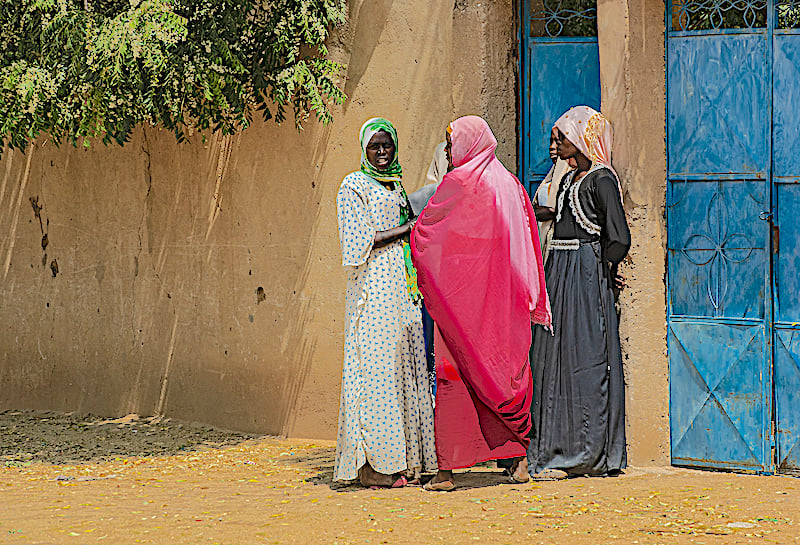
Seventy-five percent of economies in Francophone Africa have regulations which restrict women’s employment, mirroring a 1954 ordinance from the former federation of French West Africa. (iStock Images / guenterguni)
In This Episode
When women begin to participate more in the economy, good things happen. There's more growth, less inequality, and greater financial stability. So, why is women's labor force participation still so low in so many countries? Katharine Christopherson is an Assistant General Counsel in the IMF Legal Department and coauthor of some new research that looks at the legal impediments to women’s economic activity across the globe. In this podcast, journalist Rhoda Metcalfe and Katharine Christopherson discuss the outdated laws that hold women back and what drives countries to reform them. Transcript
Join Us on Every Major Platform




Latest Podcasts
BEHIND THE MIC

Bruce Edwards
International Monetary Fund
Bruce Edwards produces the IMF podcast program. He's an award-winning audio producer and journalist who's covered armed conflicts, social unrest, and natural disasters from all corners of the world. He believes economists have an important role in solving the world's problems and aspires to showcase their research in every IMF podcast.

Rhoda Metcalfe
RHODA METCALFE is an independent journalist and audio producer.