
Women In Economics / Natural resources
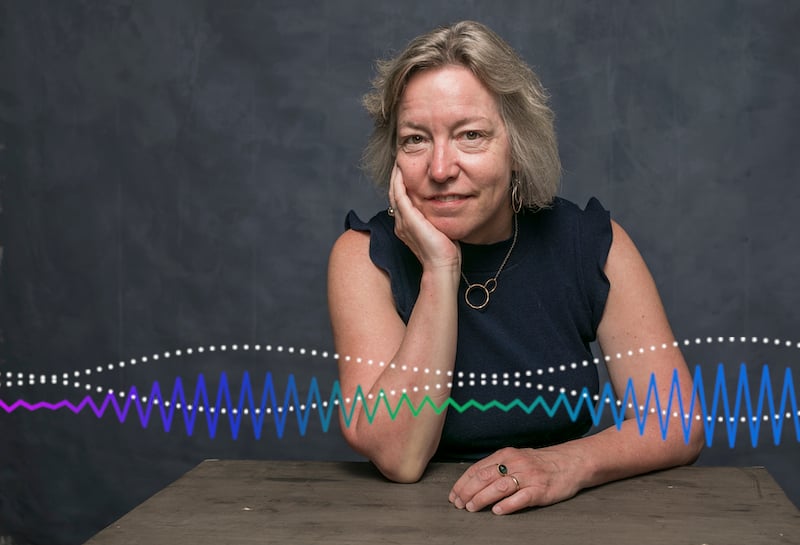
Women in Economics: Catherine Kling on Nature’s Real Worth
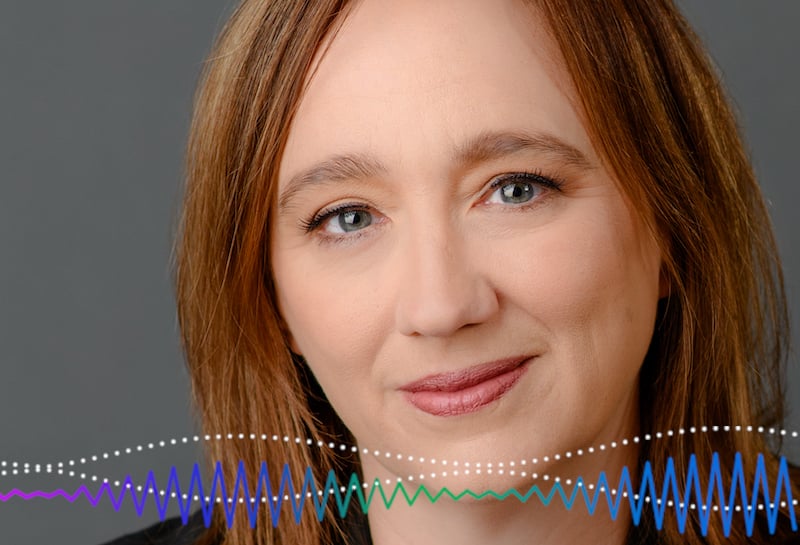
Photo: Cornell University
In This Episode
Having access to nature can improve lives. Walking through the forest or by a lake occasionally is proven to have both physical and psychological benefits. But nature is a resource that is undervalued in our economies, and all too often left off the balance sheet. Catherine Kling says determining the true economic value of nature will help foster its preservation. Kling is an environmental economist at Cornell University in the Dyson School of Applied Economics and Management and has focused much of her career on creating the kind of data that encourages governments to include the value of nature in their economic decision-making. In this special episode of our Women in Economics series, Kling and Journalist Rhoda Metcalfe discuss why putting a price tag on nature will help save it. Transcript
Join Us on Every Major Platform




Latest Podcasts
BEHIND THE MIC

Bruce Edwards
International Monetary Fund
Bruce Edwards produces the IMF podcast program. He's an award-winning audio producer and journalist who's covered armed conflicts, social unrest, and natural disasters from all corners of the world. He believes economists have an important role in solving the world's problems and aspires to showcase their research in every IMF podcast.

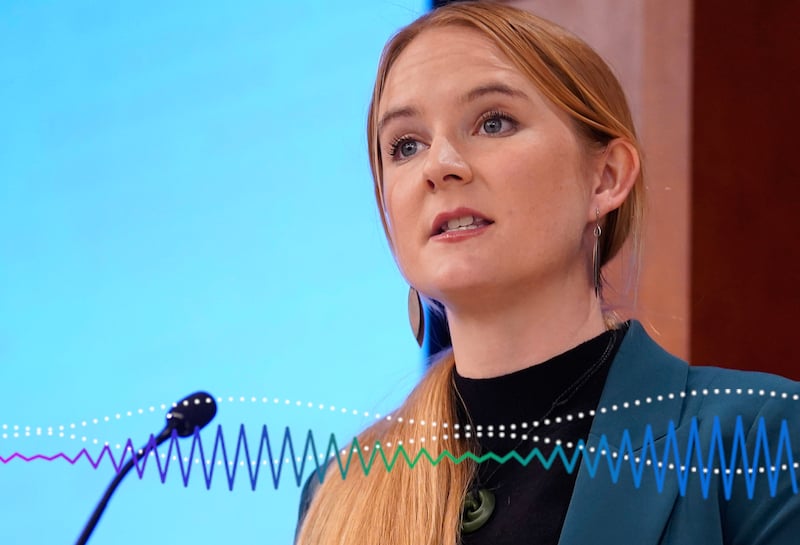
Rhoda Metcalfe
RHODA METCALFE is an independent journalist and audio producer.