Climate Change / Energy transition

Daniel Yergin on Energy's New Map

DANIEL YERGIN

July 14, 2022

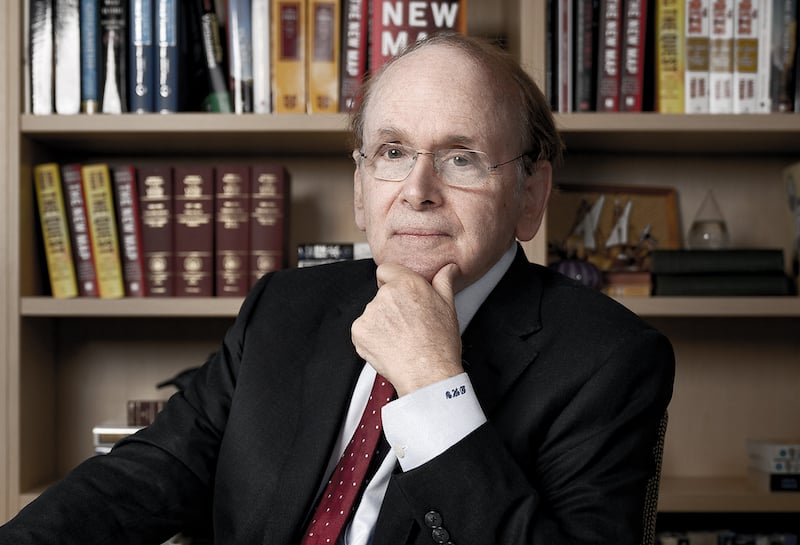
Daniel Yergin says minerals will loom large in the transition to renewable energy. (Photo: courtesy of S&P Global)
DANIEL YERGIN - Daniel Yergin on Energy's New Map
75
In This Episode
The energy crises of the early 70s, the 80s, and the early 2000s all had their challenges, but none were so intertwined with other emergencies like a war in Europe, climate change, and a global pandemic. Daniel Yergin won the Pulitzer Prize and many other accolades for his writing on the political economy of global energy. His latest book The New Map: Energy, Climate and the Clash of Nations looks at where today's energy markets are headed and the geopolitics of an energy transition from hydrocarbons to renewable energy. In this podcast, Yergin says renewables use a lot more minerals than people realize and will move us from the world of big oil to a world of big shovels. Transcript

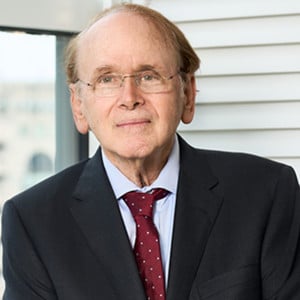
DANIEL YERGIN is vice chairman of S&P Global. His newest book is The New Map: Energy, Climate, and the Clash of Nations. He received a Pulitzer Prize for his book The Prize: The Epic Quest for Oil, Money & Power.

Join Us on Every Major Platform

BEHIND THE MIC

Bruce Edwards

International Monetary Fund

Bruce Edwards produces the IMF podcast program. He's an award-winning audio producer and journalist who's covered armed conflicts, social unrest, and natural disasters from all corners of the world. He believes economists have an important role in solving the world's problems and aspires to showcase their research in every IMF podcast.

Rhoda Metcalfe

RHODA METCALFE is an independent journalist and audio producer.
About IMF Podcasts

IMF Podcasts are the views of the International Monetary Fund (IMF) staff and external officials on pressing economic and policy issues of the day. The IMF, based in Washington D.C., is an organization of 191 countries, working to foster global monetary cooperation and financial stability around the world. The views expressed are those of the author(s) and do not necessarily represent the views of the IMF and its Executive Board.

© 2025 INTERNATIONAL MONETARY FUND. ALL RIGHTS RESERVED