Driving Change / Development

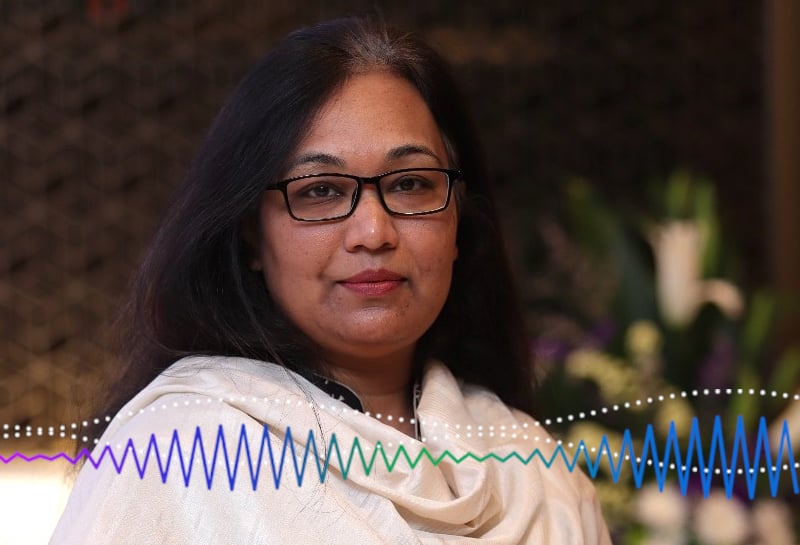
Driving Change: Rumana Huque on the Real Costs of Bangladesh’s Tobacco Dependency

Rumana Huque

February 28, 2025

Photo courtesy of Rumana Huque
Rumana Huque - Driving Change: Rumana Huque on the Real Costs of Bangladesh’s Tobacco Dependency
75
In This Episode

Driving Change: Women-Led Development Economics from the Ground Up

The International Economic Association’s Women in Leadership in Economics Initiative (IEA-WE) connects women economists worldwide and helps showcase their important empirical research, especially in developing countries. IMF Podcasts has partnered with the IEA-WE to produce a special series featuring the economists behind the invaluable local research that informs policymakers in places often overlooked. This episode of Driving Change features Bangladeshi economist Rumana Huque, whose research into the real costs of tobacco consumption is prompting a rethink of the country’s tobacco tax system. Transcript

Other episodes include Kenyan economist Rose Ngugi, whose indices help local counties design policies that work, Colombian economics Professor Marcela Eslava, whose research looks to fix Latin America’s dysfunctional social security network, and Ipek Illkaracan who makes the business case for investing in social care infrastructure.

The series is also featured in the IMF's Finance and Development magazine

Rumana Huque  is a Professor of Economics at the University of Dhaka

Join Us on Every Major Platform

BEHIND THE MIC

Bruce Edwards

International Monetary Fund

Bruce Edwards produces the IMF podcast program. He's an award-winning audio producer and journalist who's covered armed conflicts, social unrest, and natural disasters from all corners of the world. He believes economists have an important role in solving the world's problems and aspires to showcase their research in every IMF podcast.

Rhoda Metcalfe

RHODA METCALFE is an independent journalist and audio producer.
About IMF Podcasts

IMF Podcasts are the views of the International Monetary Fund (IMF) staff and external officials on pressing economic and policy issues of the day. The IMF, based in Washington D.C., is an organization of 191 countries, working to foster global monetary cooperation and financial stability around the world. The views expressed are those of the author(s) and do not necessarily represent the views of the IMF and its Executive Board.

© 2025 INTERNATIONAL MONETARY FUND. ALL RIGHTS RESERVED