Seeing Our Way Through The Crisis: Why We Need Fiscal Transparency
IMF Blog, November 1, 2012
Source details
- Canonical URL
- Seeing Our Way Through The Crisis: Why We Need Fiscal Transparency
Other formats
Bibliographic details
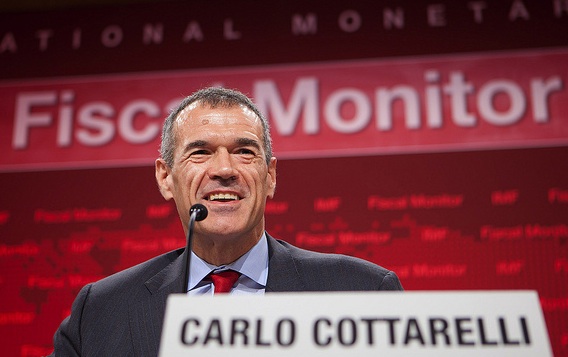
- Authors: Carlo Cottarelli
- Published: November 1, 2012
Importance of fiscal transparency
- Fiscal transparency defined as "the public availability of timely, reliable, and relevant data on the past, present, and future state of the public finances."
- Without good fiscal information, governments cannot understand fiscal risks or make good budget decisions, and citizens and legislatures cannot hold governments accountable.
- The budget is described as "probably the single most important fiscal report" and the one attracting most legislative and public attention.
Progress in fiscal reporting standards and adoption
- Development of improved standards over the last ten years, including:
- International Federation of Accountants’ International Public Sector Accounting Standards.
- IMF’s Code of Good Practices on Fiscal Transparency and Government Finance Statistics Manual.
- Adoption progress among IMF member countries:
- Out of 188 IMF member countries, the number able to report fiscal data covering the whole of the general government has risen from 48 to 78 over the past six years.
- Just over 80 countries now reporting some fiscal information on a monthly basis.
Shortcomings in standards, practice, and monitoring
- Low adoption of accrual and full balance-sheet reporting:
- Only 12 countries are able to report on a full accrual basis.
- Only 14 report a full balance sheet including both fixed and financial assets and liabilities.
- Lack of international standards for budget forecasts (prospective reporting).
- Weak multilateral monitoring:
- Number of fiscal transparency reviews conducted by the IMF has fallen from over twenty in 2002 to just one last year.
- The track record of these reviews in identifying fiscal transparency problems that contributed to the recent crisis was "decidedly mixed."
Lessons from the crisis
- Gaps in fiscal transparency did not cause the 2008 crisis but exacerbated it in many countries.
- Analysis of the ten countries with the largest unanticipated increase in reported general government debt after the crisis:
- "Just under one-quarter of that increase was caused by shortcomings in government’s understanding of their current fiscal position."
- Greece as an example where underreporting of debt and deficit led to yield spikes.
- Prospective information weaknesses:
- Only one-third of countries systematically distinguish the fiscal impact of current and new policies in their forecasts.
- Even among advanced countries, less than half produce the kind of fiscal risk statements required to give citizens and markets confidence that fiscal policy settings are robust to a plausible range of shocks.
- Creative accounting risks during adjustment:
- Over the last four years there has been "a more than ten-fold increase in the stock of government-guaranteed bonds issued by private and public financial institutions."
- In the vast majority of countries, the value of these guarantees is not reflected in headline measures of the government deficit or debt.
Recommendations and next steps to revitalize fiscal transparency
- Improve retrospective reporting standards by:
- Requiring consolidation of a broader range of public entities.
- Recognition of a wider range of assets, liabilities, and flows.
- More frequent publication of summary fiscal data.
- Develop a new standard on fiscal forecasting and risk disclosure to strengthen prospective reporting.
- Encourage adoption of enhanced standards through institutional reforms at the national level to promote strong domestic constituencies for fiscal transparency, such as legislatures, state audit institutions, and fiscal councils.
- Strengthen regional fiscal surveillance, citing examples of budget framework directives in the European Union, West African Economic and Monetary Union, and Central African Economic and Monetary Community.
- Provide more practical technical assistance internationally, including guidance on transitions from cash to accrual accounting and fiscal oversight of public corporations.
- IMF internal actions:
- Revise the IMF’s own Code of Good Practices on Fiscal Transparency and seek public comment on proposed ideas.
- Revitalize fiscal transparency evaluations to be tailored to the particular needs of each country and to assess both government processes and whether reported debt and deficit numbers reflect underlying fiscal reality.
Source: Carlo Cottarelli, "Seeing Our Way Through The Crisis: Why We Need Fiscal Transparency", November 1, 2012.
Content in this bundle
- Fiscal Transparency, Accountability, and Risk; IMF Policy Paper; August 7, 2012