Climate and Output in Low-Income Countries

October 7, 2019

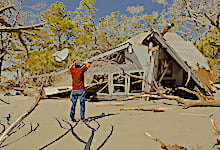
Adaptive policies like building codes that are more hazard-resistant help countries better handle weather shocks. (iStock by Getty Images)

- Climate and Output in Low-Income Countries
75
In This Episode

As the average annual global temperature is expected to rise by 4 degrees Celsius or more by 2100, economic output in countries with hot climates continues to fall. And given that most low-income countries are located in hot regions, low-income countries are bearing the brunt of the negative economic costs of climate change even though they contribute very little to the greenhouse gas emissions that cause it. In this podcast, IMF economists Sebastian Acevedo and Natalija Novta say the increasing frequency and severity of natural disasters is having a negative impact on growth.

Acevedo and Novta are coauthors of Weather Shocks and Output in Low-Income Countries:Adaptation and the Role of Policies

Natalija Novta is an economist in the IMF’s Research Department, and Sebastian Acevedo is an economist in the African Department.

Join Us on Every Major Platform

BEHIND THE MIC

Bruce Edwards

International Monetary Fund

Bruce Edwards produces the IMF podcast program. He's an award-winning audio producer and journalist who's covered armed conflicts, social unrest, and natural disasters from all corners of the world. He believes economists have an important role in solving the world's problems and aspires to showcase their research in every IMF podcast.

Rhoda Metcalfe

RHODA METCALFE is an independent journalist and audio producer.

About IMF Podcasts

IMF Podcasts are the views of the International Monetary Fund (IMF) staff and external officials on pressing economic and policy issues of the day. The IMF, based in Washington D.C., is an organization of 191 countries, working to foster global monetary cooperation and financial stability around the world. The views expressed are those of the author(s) and do not necessarily represent the views of the IMF and its Executive Board.

© 2025 INTERNATIONAL MONETARY FUND. ALL RIGHTS RESERVED