
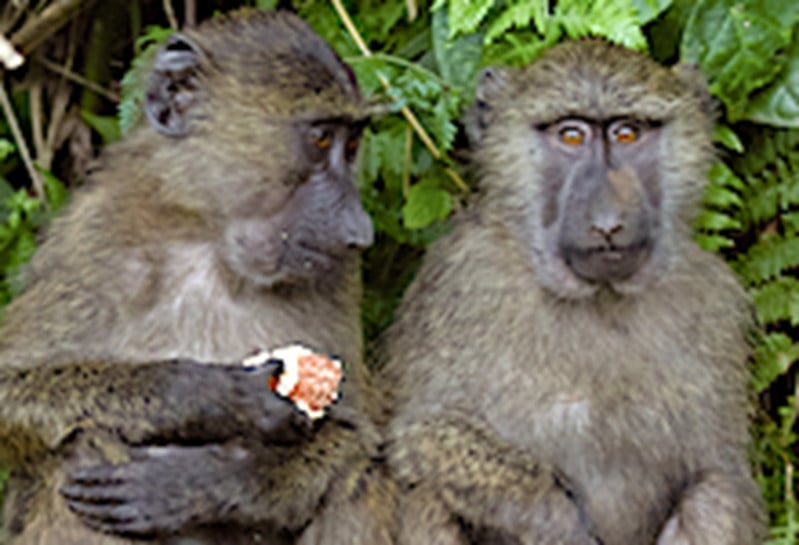
Ruchir Agarwal: Chimpanzee Politics and Climate Change
In This Episode
When it comes to cooperation, humans and chimpanzees still have much in common. Perhaps that's not surprising given humans share over 98 percent of our DNA with chimps. But in a recent article in Finance and Development, economist Ruchir Agarwal argues the 2 percent genetic difference propels humanity’s success, but also its potential for disaster. In this podcast, Agarwal asks whether humans have evolved enough to escape “chimpanzee politics” and confront the greatest risk our species is facing—climate change.
Read the article at IMF.org/fandd

RUCHIR AGARWAL is a cofounder of the Global Talent Fund and the director of the Raj Center at Columbia University.
Join Us on Every Major Platform




Latest Podcasts




BEHIND THE MIC

Bruce Edwards
International Monetary Fund
Bruce Edwards produces the IMF podcast program. He's an award-winning audio producer and journalist who's covered armed conflicts, social unrest, and natural disasters from all corners of the world. He believes economists have an important role in solving the world's problems and aspires to showcase their research in every IMF podcast.

Rhoda Metcalfe
RHODA METCALFE is an independent journalist and audio producer.