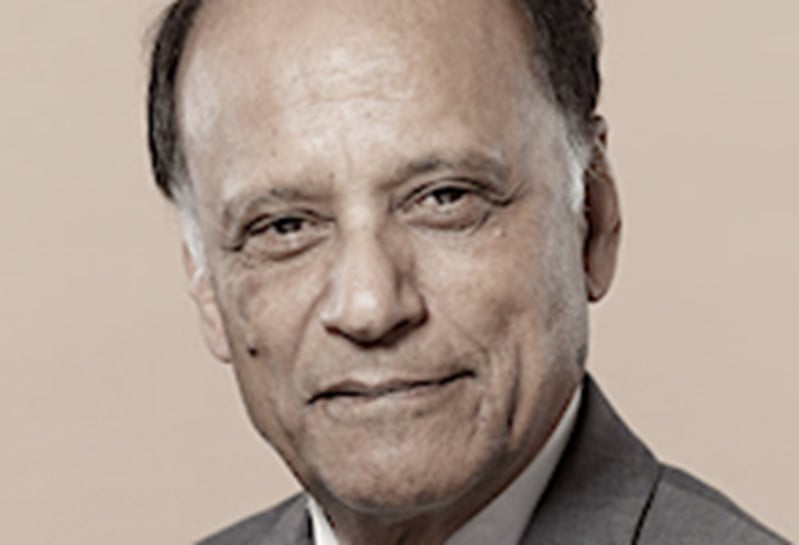
Partha Dasgupta

F&D Magazine / Climate policy

Partha Dasgupta on the Economics of Biodiversity

PARTHA DASGUPTA

September 10, 2021

Partha Dasgupta's study on biodiversity shows much of the growth in the past 70 years has been at the expense of our natural assets. (photo: UK Treasury)
  • Partha Dasgupta
PARTHA DASGUPTA - Partha Dasgupta on the Economics of Biodiversity
75
In This Episode
Nature is often missing in economic models, but in a study commissioned by the UK government, Partha Dasgupta examines the economic benefits of biodiversity and the costs of losing it. Dasgupta is Professor Emeritus of Economics at the University of Cambridge, and his 600-page study titled the Economics of Biodiversity: The Dasgupta Review sets out a framework for including Nature in our economic thinking and provides a guide for change through three broad, interconnected transitions. Professor Dasgupta published an article about his findings in the September edition of Finance and Development. In this podcast, he says humans are embedded in nature and cannot escape the biosphere through ingenuity.  Transcript

PARTHA DASGUPTA is the Frank Ramsey Professor Emeritus of Economics at the University of Cambridge.

Join Us on Every Major Platform

BEHIND THE MIC

Bruce Edwards

International Monetary Fund

Bruce Edwards produces the IMF podcast program. He's an award-winning audio producer and journalist who's covered armed conflicts, social unrest, and natural disasters from all corners of the world. He believes economists have an important role in solving the world's problems and aspires to showcase their research in every IMF podcast.

Rhoda Metcalfe

RHODA METCALFE is an independent journalist and audio producer.
About IMF Podcasts

IMF Podcasts are the views of the International Monetary Fund (IMF) staff and external officials on pressing economic and policy issues of the day. The IMF, based in Washington D.C., is an organization of 191 countries, working to foster global monetary cooperation and financial stability around the world. The views expressed are those of the author(s) and do not necessarily represent the views of the IMF and its Executive Board.

© 2025 INTERNATIONAL MONETARY FUND. ALL RIGHTS RESERVED