
James Stock on Making it Cheaper to be Green
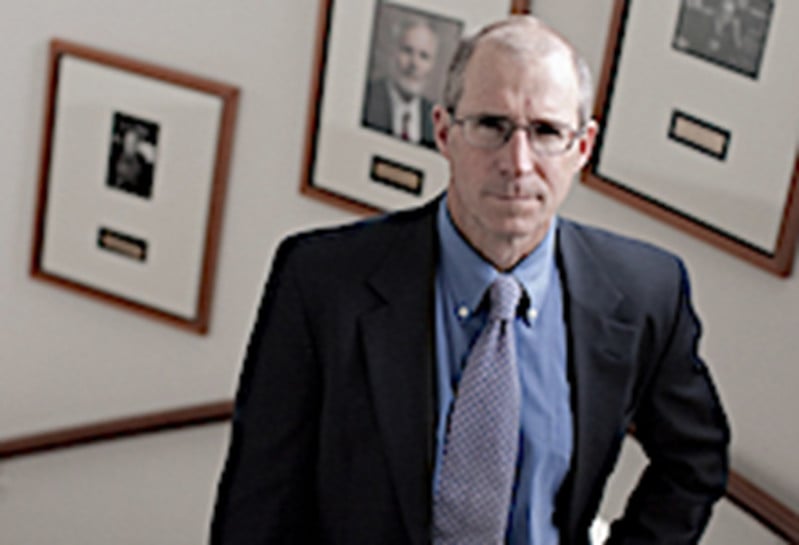
Harvard's James Stock says smart sectoral policies will drive deep decarbonization. His research can be found at scholar.harvard.edu. (Stephanie Mitchell/Harvard file photo)
In This Episode
Most economists would agree a carbon tax is a powerful tool in fighting climate change, but carbon pricing alone is not enough. As green technologies evolve and prices fall, the fight against climate change will need a more nuanced plan of attack where people can actually afford to do the right thing. In this podcast, journalist Rhoda Metcalfe talks to Harvard Professor James Stock about how he sees the decarbonization process playing out sector-by-sector, which is the subject of his article titled Driving Deep Decarbonization in the September edition of Finance and Development. Podcast Transcript

JAMES H. STOCK is the Harold Hitchings Burbank Professor of Political Economy in the Harvard Department of Economics and the Harvard Kennedy School. He served on President Obama’s Council of Economic Advisers in 2013–14, where he managed the climate and energy portfolio.
Join Us on Every Major Platform




Latest Podcasts


BEHIND THE MIC

Bruce Edwards
International Monetary Fund
Bruce Edwards produces the IMF podcast program. He's an award-winning audio producer and journalist who's covered armed conflicts, social unrest, and natural disasters from all corners of the world. He believes economists have an important role in solving the world's problems and aspires to showcase their research in every IMF podcast.

Rhoda Metcalfe
RHODA METCALFE is an independent journalist and audio producer.