Africa digital

Fintech

Digitalizing Sub-Saharan Africa

Preya Sharma, Martha Tesfaye Woldemichael

June 25, 2020

iStock by Getty Images/Adene Sanchez
  • Africa digital
Preya Sharma, Martha Tesfaye Woldemichael - Digitalizing Sub-Saharan Africa
75
In This Episode

While connectivity in sub-Saharan Africa lags behind other regions, digitalization is advancing fast and being embraced by those who do have access. Some countries are now global leaders in mobile money transactions—with a share of GDP average close to 25 percent, compared to just 5 percent in the rest of the world. In a region where infrastructure is often lacking, digital technologies offer ways to break down or leap over barriers. IMF economists Preya Sharma and Martha Tesfaye Woldemichael are co-authors of the latest analytical chapter for the Economic Outlook for sub-Saharan Africa, which studies the impact of digitalization. In this podcast, Sharma and Woldemichael say expanding internet access in sub-Saharan Africa by an extra 10 percent of the population could increase real per capita GDP growth by 1 to 4 percentage points.

Transcript

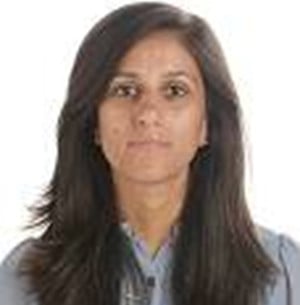
Preya Sharma is an economist in the IMF's African Department.

Martha Tesfaye Woldemichael is an economist in the IMF's African Department.

Join Us on Every Major Platform

BEHIND THE MIC

Bruce Edwards

International Monetary Fund

Bruce Edwards produces the IMF podcast program. He's an award-winning audio producer and journalist who's covered armed conflicts, social unrest, and natural disasters from all corners of the world. He believes economists have an important role in solving the world's problems and aspires to showcase their research in every IMF podcast.

Rhoda Metcalfe

RHODA METCALFE is an independent journalist and audio producer.
About IMF Podcasts

IMF Podcasts are the views of the International Monetary Fund (IMF) staff and external officials on pressing economic and policy issues of the day. The IMF, based in Washington D.C., is an organization of 191 countries, working to foster global monetary cooperation and financial stability around the world. The views expressed are those of the author(s) and do not necessarily represent the views of the IMF and its Executive Board.

© 2025 INTERNATIONAL MONETARY FUND. ALL RIGHTS RESERVED