Women In Economics / Inclusion and gender

Women in Economics: Clair Brown's Holistic Approach

Clair Brown

May 5, 2022

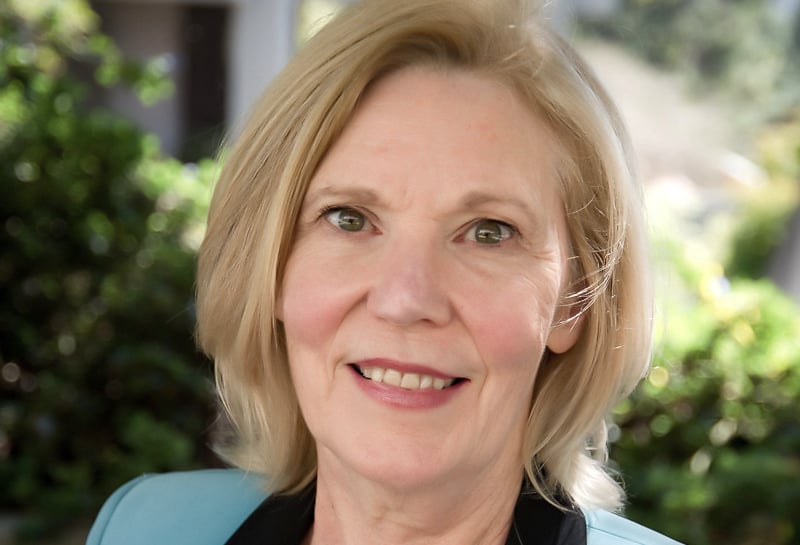
Clair Brown says Buddhist principles provide a holistic model of economic behavior and well-being. (Photo: UC Berkeley)
Clair Brown - Women in Economics: Clair Brown's Holistic Approach
75
In This Episode
Becoming an economist in the 1970s- for a woman, was a lonely road. When Clair Brown joined the Department of Economics at UC Berkeley in 1974 alongside people like Nobel laureate George Akerlof, she was the only female faculty member. But thanks to Brown's prodding, the department hired more women and Berkeley has since become well known for its female economists. Brown has always seen the power of diversity in her work. In 2013 she helped create a new graduate program called Development Engineering that teams engineers with economists to develop technologies that benefit developing regions. Today, she's advocating for a new, more sustainable approach to economic thinking in her book, Buddhist Economics. Journalist, Rhoda Metcalfe spoke with Clair Brown for our special series on extraordinary Women in Economics. Transcript

Clair Brown says Buddhist principles provide a holistic model of economic behavior and well-being.

Join Us on Every Major Platform

BEHIND THE MIC

Bruce Edwards

International Monetary Fund

Bruce Edwards produces the IMF podcast program. He's an award-winning audio producer and journalist who's covered armed conflicts, social unrest, and natural disasters from all corners of the world. He believes economists have an important role in solving the world's problems and aspires to showcase their research in every IMF podcast.

Rhoda Metcalfe

RHODA METCALFE is an independent journalist and audio producer.
About IMF Podcasts

IMF Podcasts are the views of the International Monetary Fund (IMF) staff and external officials on pressing economic and policy issues of the day. The IMF, based in Washington D.C., is an organization of 191 countries, working to foster global monetary cooperation and financial stability around the world. The views expressed are those of the author(s) and do not necessarily represent the views of the IMF and its Executive Board.

© 2025 INTERNATIONAL MONETARY FUND. ALL RIGHTS RESERVED