
Food and Fuel Crisis

Regional Economic Outlook
Mideast Faces Lower Growth Prospects, Needs Bold Policies
FINANCE & DEVELOPMENT
Extracting Resource Revenue
Finance & Development, September 2013, Vol. 50, No. 3
Philip Daniel, Sanjeev Gupta, Todd Mattina, and Alex Segura-Ubiergo
 For countries with abundant oil, gas, and mineral deposits, formulating tax and spending policies can be tricky
Being well endowed with resources may be beneficial for a developing country, but an abundance of resources can make it difficult for policymakers to design and implement spending and tax policies.
Read March issue of F&D
PODCASTS

Food Prices Impact
 In Search of Sweet Liquid Gold
By Jacqueline Deslauriers
Managing Oil Wealth in Africa
By Sharmini Coorey
Riding Out Food and Fuel Price Volatility
By Samya Beidas–Strom
New Rules for Everyday Foodies
By Tyler Cowen
COMMODITY PRICES
Commodity Price Outlook & Risks
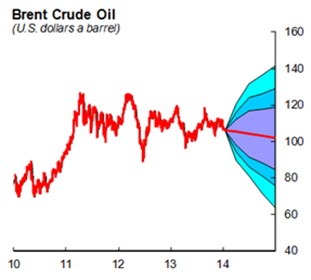 Futures markets show most commodity prices remaining flat or declining over the next 12 months, with the exception of gasoline, natural gas, and some food products. Oil prices are expected to decline due to an expected rise in non-OPEC supplies, and possible recovery from outages in OPEC nations. Copper and gold futures prices are flat but soybean and soybean meal prices are expected to fall on the prospect of a large South American crop in 2014.
More
IMF Primary Commodity Prices
The Commodities Research Department provides information on primary commodity market developments. it's presented annually, quarterly, monthly, and weekly.
Archives: 'Shocked' countries remain at risk
The July 2008 study, focused on two priorities: getting inflation under control, and putting in place social safety net programs which target the poorest:
Video
Conference on Understanding International Commodity Price Fluctuations