Loading component...
Loading component...
Quote of the Day

As the global economy is headed for stormy waters, now is the time for emerging market policymakers to batten down the hatches.
PIERE-OLIVIER GOURINCHAS, IMF CHIEF ECONOMIST
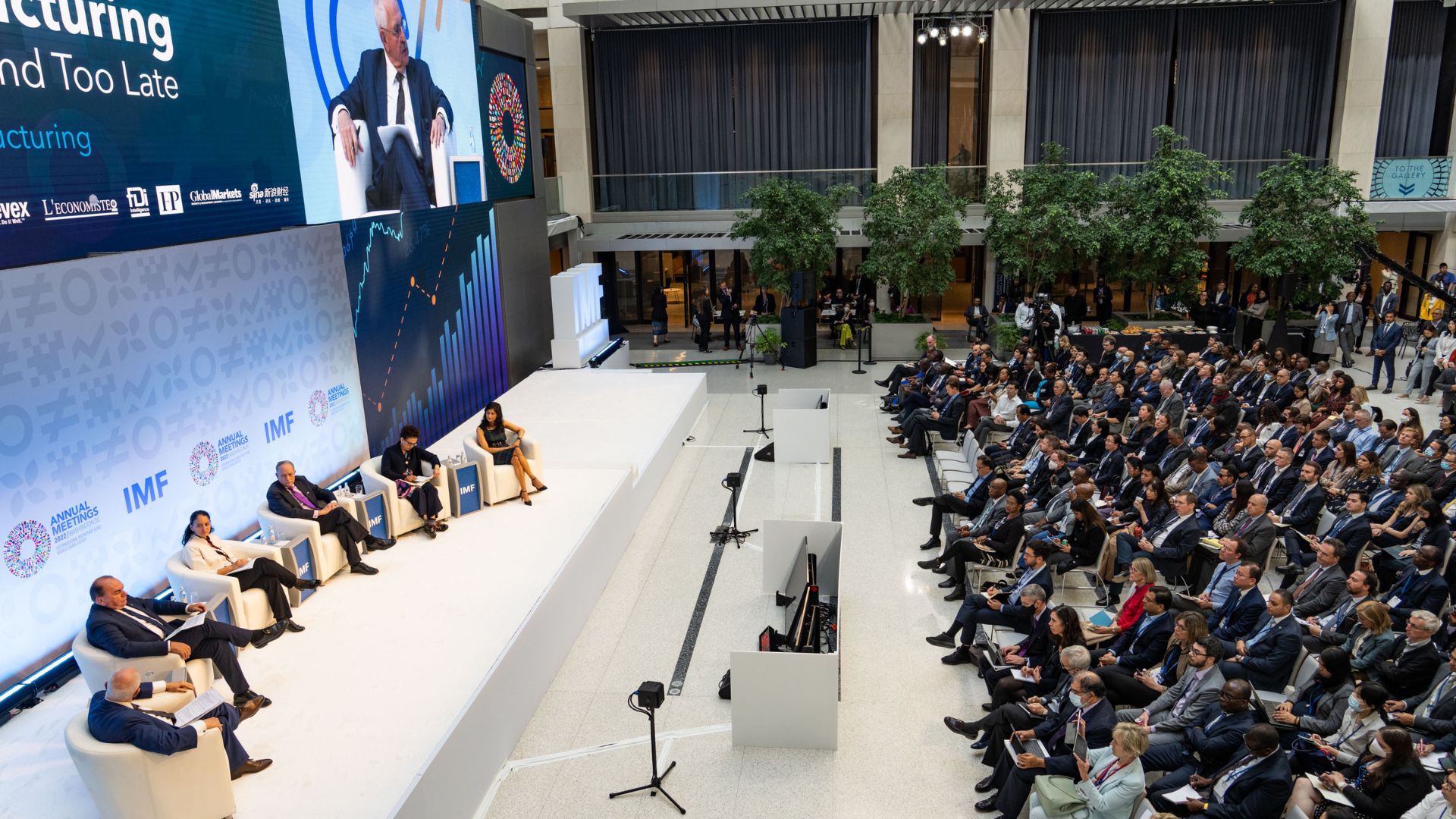
How to Deal with Debt Defaults
The painful process of debt restructuring must become more coordinated and transparent if global institutions are to cope with a wave of defaults, panelists told a high-profile IMF seminar chaired by the FT’s Martin Wolf. Around 60% of low-income countries and around 25% of emerging markets are either in debt distress already or at high risk of debt distress. “Debt was seen as an easy way out,” Axel Weber of the Center for Financial Studies told the seminar, because everyone thought interest rates would stay low."It's scandalous that public debt is not publicly known," said Georgetown University’s Anna Gelpern.
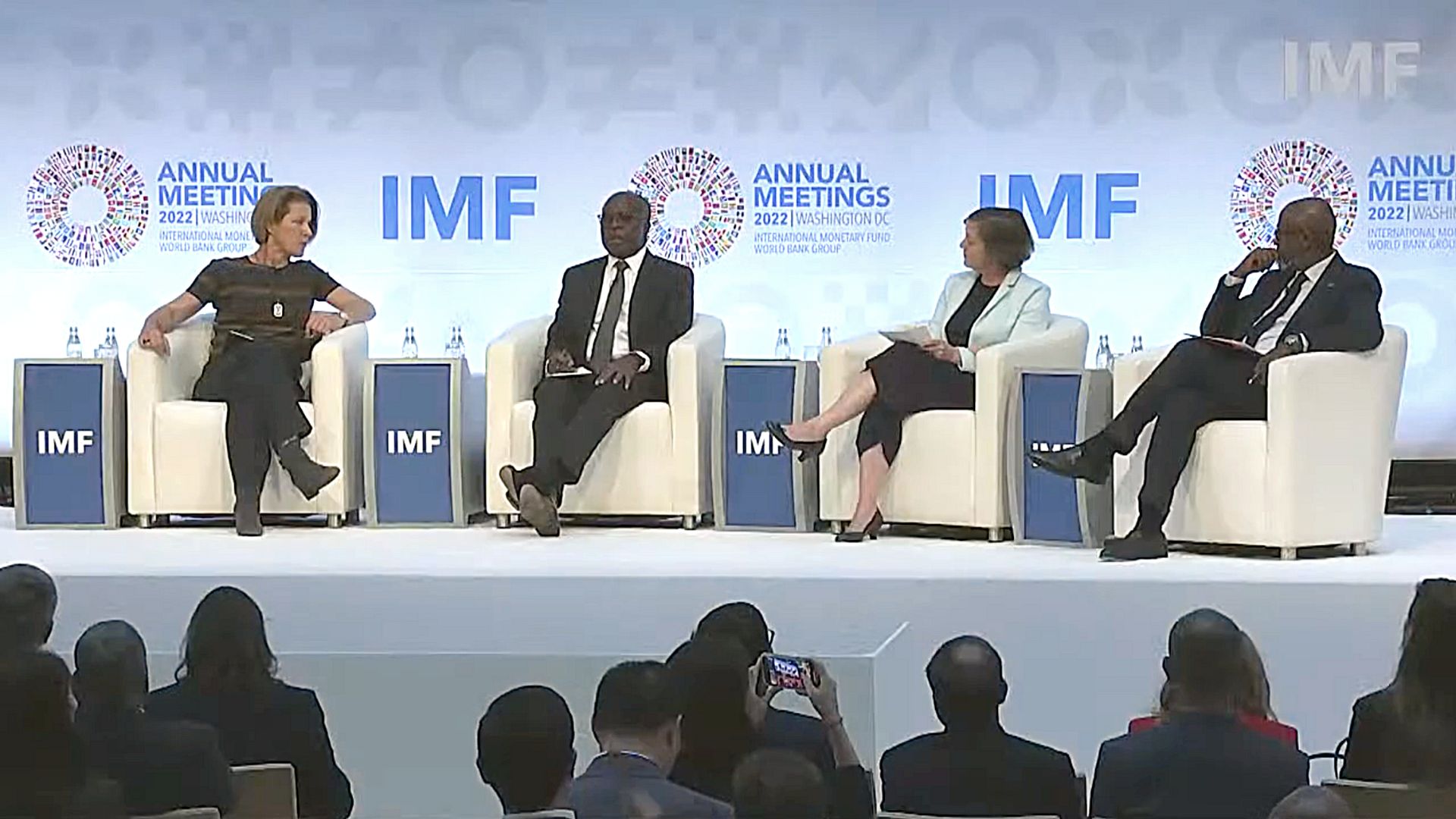
Social Contract in Times of Crises
4 billion people have no social protection, according to the International Labor Organization. The ILO Director-General, Gilbert Houngbo, told panelists at an IMF seminar that four times as many jobs were lost during the COVID-19 pandemic as the global financial crisis, “placing additional pressures on already stretched and indebted households.” With prices rapidly rising, cash-strapped governments will have to strike a balance between policies to tackle inflation and growth. “The social contract agenda,” said University of Michigan professor Justin Wolfers, “is ultimately undergirded and paid for by economic growth.” The decline in development assistance and rise in debt make it harder for governments to provide the support that’s needed.