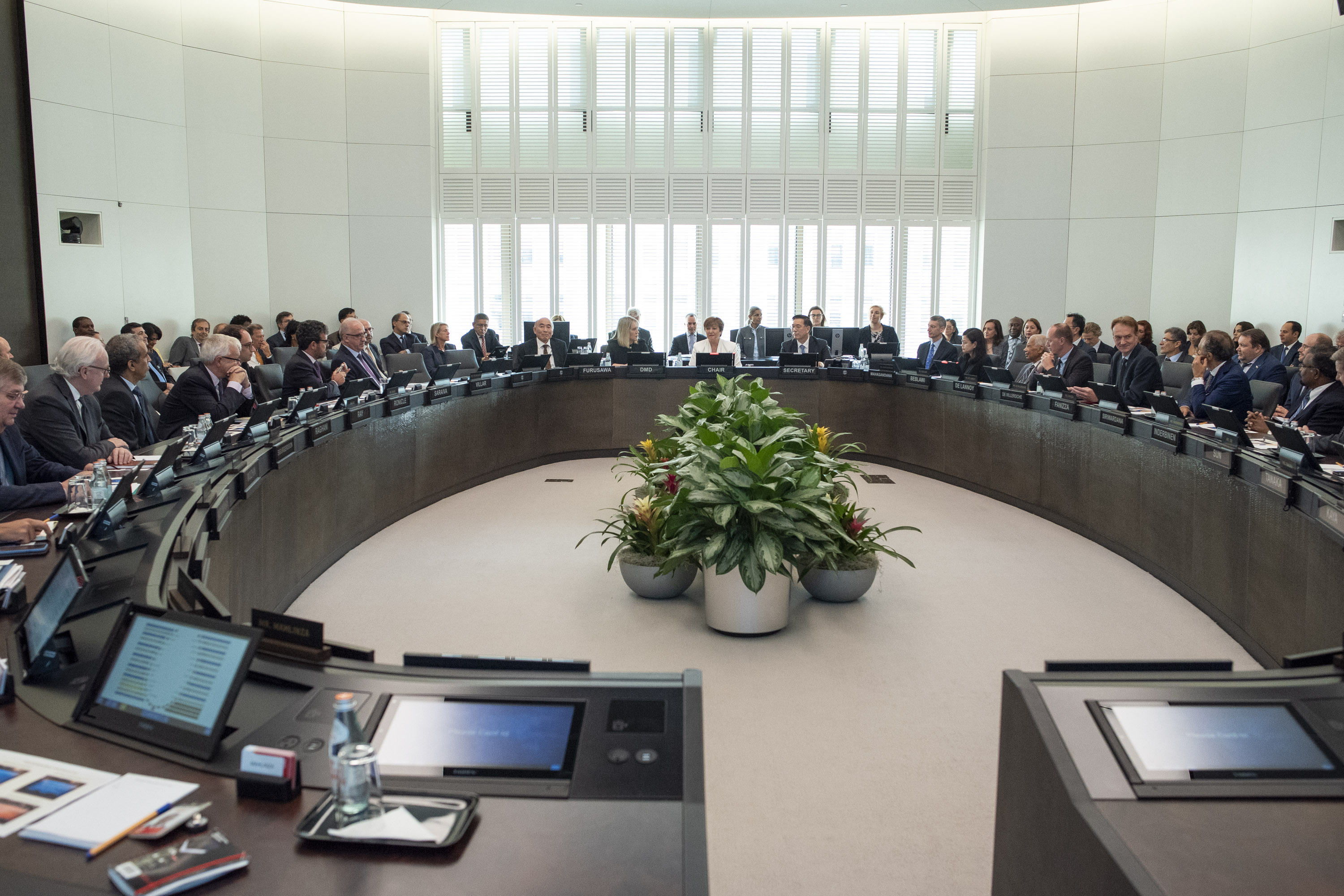
IMF Executive Board Approves Three-Year Policy Coordination Instrument for Seychelles
IMF News, December 13, 2017
Source details
- Canonical URL
- IMF Executive Board Approves Three-Year Policy Coordination Instrument for Seychelles
Other formats
Bibliographic details
- Published: December 13, 2017
Program overview
- The Executive Board approved a new three-year Policy Coordination Instrument (PCI) for Seychelles on December 13, 2017.
- Seychelles is the first IMF member country to request a PCI.
- The PCI aims to consolidate macroeconomic stabilization and foster sustained and inclusive growth, building on lessons from previous IMF-supported programs.
- Program reviews take place on a semi-annual fixed schedule.
- The PCI involves no use of IMF resources; successful completion of program reviews would help signal Seychelles’ commitment to continued strong economic policies and structural reforms.
Key policy targets and numerical commitments
- Medium-term target: bring the public debt-to-GDP ratio below 50 percent by 2021.
- Authorities’ primary surplus target: 2½ percent of GDP from 2018 onwards.
- International reserves coverage: improved to around four months of prospective imports from less than one month at end-2008.
- Economic growth for 2017: projected to reach around 4¼ percent.
Macro outlook and recent economic developments
- Seychelles has made considerable progress toward macroeconomic stability since the 2008 crisis under three consecutive IMF programs.
- Public debt-to-GDP ratio has been reduced by almost two thirds during the period since 2008.
- Current account: the external current account deficit is estimated to have narrowed in 2017, supported by strong tourist arrivals.
- Reserves: the country does not need IMF financial assistance now; international reserves coverage is expected to remain at an adequate level, anchored by the authorities’ prudent policies.
- Near- and medium-term outlook: favorable, with growth buoyed by the tourism sector after 2018.
- Downside risks: the country remains vulnerable to external shocks; downside risks largely lie in external factors that could dampen tourism performance; strengthening in international commodity prices could have negative impacts on the balance of payments.
Structural reforms, policy measures, and recommendations
- Fiscal policy
- Anchor fiscal policy by the medium-term debt target (public debt-to-GDP below 50 percent by 2021).
- Implement the permanent fiscal saving measures identified in the 2018 budget and the Program Statement to reconcile debt reduction with infrastructure and resilience investments.
- The authorities’ proposed fiscal path aims to balance preserving macroeconomic stability and addressing key investment needs.
- Monetary and exchange rate policy
- Maintain a flexible exchange rate policy and limit foreign exchange intervention to preserve international reserve buffers at around the current level.
- Continue transition to the recently introduced monetary policy framework in which interest rates play a prominent role.
- Structural reforms and governance
- Strengthen the AML/CFT framework to maintain correspondent banking relationships.
- Implement the state-owned enterprise (SOE) Action Plan to minimize potential fiscal risks from the SOE sector.
- Implement the public finance management Action Plan to address remaining issues in public investment management.
- Continue efforts to diversify the economy under the “Blue Economy” initiatives to promote shared prosperity.
- Expected benefits: these efforts are intended to shore up fiscal sustainability, boost growth prospects, and enhance resilience to climate change and external shocks.
Program mechanics and rationale
- The PCI is available to IMF members that do not need Fund financial resources at the time of approval and is designed for countries seeking to demonstrate commitment to a reform agenda or to unlock and coordinate financing from other official creditors or private investors.
- The authorities emphasize infrastructure investments and measures to enhance resilience to climate change while pursuing fiscal consolidation.
- The Central Bank of Seychelles (CBS) is committed to a flexible exchange rate, limiting intervention to preserve reserves coverage, and to implementing the monetary policy framework where interest rates play a prominent role.
IMF Press Release No. 17/492 — December 13, 2017