IMF Executive Board Concludes 2024 Article IV Consultation with Solomon Islands
IMF News, February 25, 2025
Source details
- Canonical URL
- IMF Executive Board Concludes 2024 Article IV Consultation with Solomon Islands
Other formats
Bibliographic details
- Published: February 25, 2025
Overview and recent developments
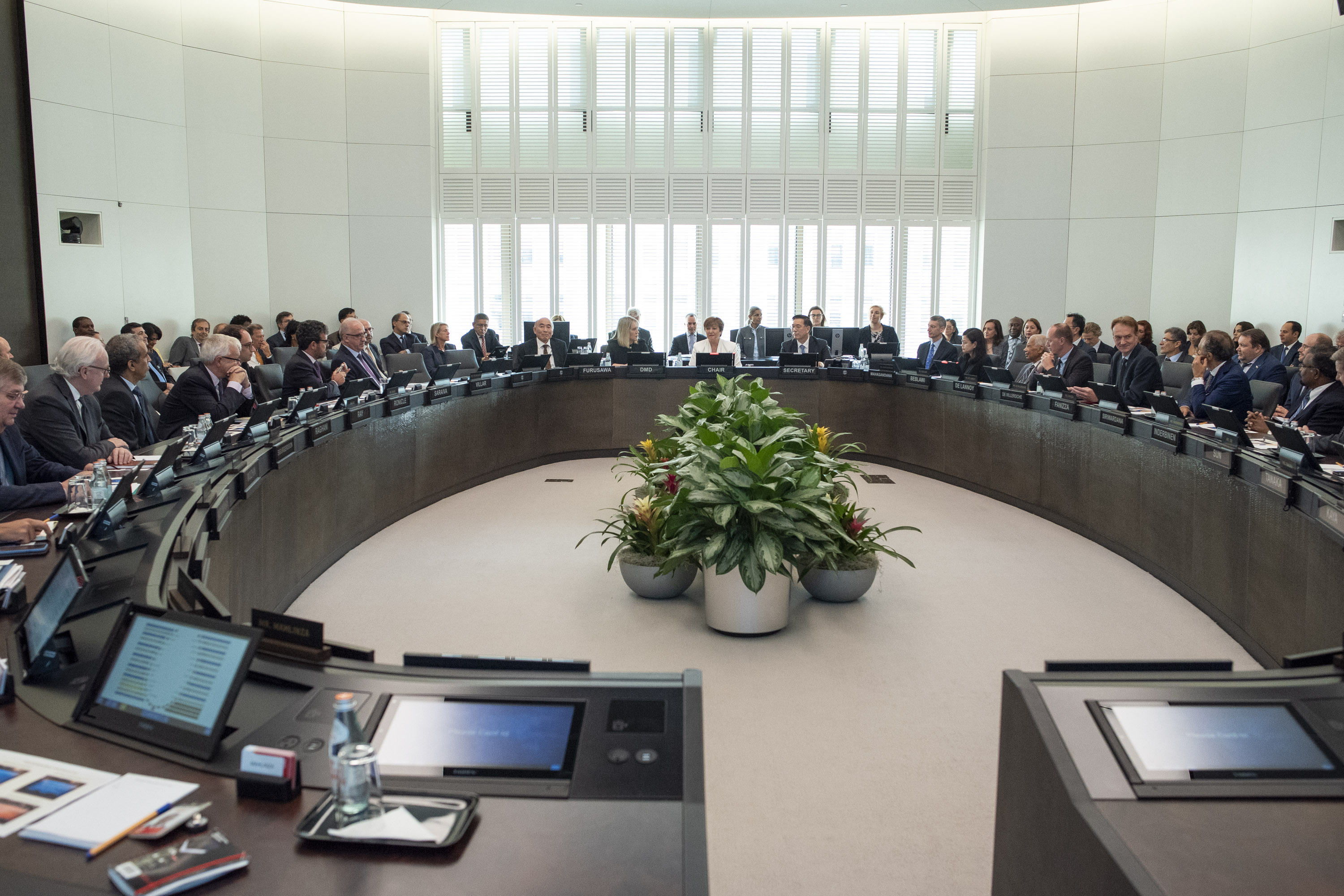
- On February 19, 2025, the Executive Board of the International Monetary Fund (IMF) concluded the Article IV consultation with Solomon Islands.
- Solomon Islands has experienced civil unrest and the pandemic, successfully hosted the Pacific Games, and conducted peaceful general elections.
- Consequences: public debt has nearly tripled since before the pandemic, and the government’s cash reserves have been significantly depleted.
Macroeconomic outlook and projections
- Real GDP growth:
- Estimated 2.4 percent for 2024.
- Projected 2.8 percent for 2025.
- Projected 2.9 percent for 2026.
- Projected 3.0 percent for 2027.
- Inflation:
- Estimated to have returned to 3.4 percent at end-2024.
- Envisaged to reach 3.9 percent at end-2025.
- CPI (period average) entries: 3.8 (2023), 3.4 (2024), 3.3 (2025).
- CPI (end of period) entries: 3.9 (2023), 3.5 (2024).
- GDP deflator entries: 1.2 (2019), -1.3 (2020), -5.5 (2021), 2.0 (2022), 1.3 (2023), 1.4 (2024).
- Nominal GDP:
- In SI$ millions: 13,234 (2019) … 14,685 (2024) … 15,492 (2025) … 19,217 (2029).
- In US$ millions: 1,619 (2019) … 1,753 (2024) … 1,850 (2025) … 2,294 (2029).
- Per capita GDP (2023): US$2200.
- Population (2023): 768,690.
- Quota: SDR 20.8 million.
Fiscal outcomes and debt
- Fiscal deficit (net lending/borrowing):
- Net lending (+) / Net borrowing (-): -3.1 percent of GDP in 2024; expected -3.3 percent of GDP in 2025; -3.2 percent in 2026.
- Central government operations (percent of GDP):
- Total revenue and grants: 32.7 (2024), 32.5 (2025), 32.6 (2026), 32.8 (2027).
- Revenue: 23.2 (2024), 23.0 (2025), 23.3 (2026).
- Grants: 9.5 (2023) (table lists grants across years).
- Total expenditure: 35.8 (2024), 35.7 (2025).
- Expense: 27.9 (2024), 27.2 (2025), 27.3 (2026), 27.4 (2027), 27.5 (2028).
- Net acquisition of nonfinancial assets: 8.4 (2024).
- Central government debt 1/:
- 20.3 (2023), 22.3 (2024), 24.4 (2025), 26.2 (2026), 29.5 (2027), 31.0 (2028).
- Public domestic debt and public external debt series provided in table.
- Note: 1/ Includes disbursements under the Rapid Credit Facility (RCF).
External sector and reserves
- Current account balance (percent of GDP):
- -4.2 (2024), projected -7.7 (2025), -7.5 (2026), -7.4 (2027), -7.4 (2028).
- Trade balance (goods and services): -11.6 (2024), -15.3 (2025), -15.6 (2026), -16.1 (2027), -16.5 (2028).
- Exports and imports (percent of GDP) examples: Exports 32.1 (2024), 30.7 (2025); Imports 48.6 (2024), 47.7 (2025).
- Gross remittances: 4.1 (2023).
- Capital and Financial Account: 6.9 (2023), 7.5 (2024).
- Overall balance (+ = increase): 0.1 (2023).
- Gross official reserves (in US$ millions, end of period) 2/:
- 682.0 (2023), 679.1 (2024), 664.3 (2025), 661.0 (2026), 662.8 (2027), 663.2 (2028), 664.6 (2029).
- Reserves cover 9 months of imports (text); table entries (in months of next year's imports of GNFS): 9.1 (2023), 8.0 (2024), 7.7 (2025), 7.4 (2026), 7.0 (2027).
- Exchange rate (SI$/US$, end of period) entries: 8.1 (2019), 8.3 (2020), …
- Note: 2/ Includes SDR allocations made by the IMF to Solomon Islands in 2009 and in 2021.
Risks and constraints
- Risks to the outlook are tilted to the downside, including:
- Under execution of the budget.
- Extreme climate events.
- Political instability.
- Commodity price volatility.
- Structural constraints:
- Declining logging activity.
- Undiversified economic base.
- Weak governance.
- Both the current account and fiscal deficits are expected to persist over the medium term.
Executive Board assessment and policy recommendations
- Directors concurred with staff appraisal: economy weathered multiple shocks, benefited from Pacific Games and peaceful elections, but public debt is increasing, medium-term growth prospects are moderate, and per capita income growth remains stagnant.
- Fiscal policy recommendations:
- Rebuild cash buffers and ensure fiscal sustainability.
- Improve effectiveness of fiscal policy by addressing weaknesses in fiscal data and public financial management, including ending the practice of unfunded spending.
- Tighten the 2025 Budget to start a gradual recovery of cash balances.
- Create fiscal space to accelerate investment in development priorities by advancing domestic revenue mobilization, such as introducing a value added tax.
- Enhance quality, transparency, and accountability of public expenditure, including undertaking the Public Expenditure and Financial Accountability assessment.
- Introduce a simple, ex-ante guideline for annual budget formulation as an interim step toward a fiscal rule.
- Monetary and financial sector recommendations:
- Current monetary policy stance and exchange rate regime judged appropriate.
- Preserve the central bank’s autonomy, including by limiting purchases of government bonds and implementing the remaining Safeguards Assessment recommendations.
- Keep the exchange rate fully aligned with the value of the updated currency basket and enhance transparency and communication with market participants.
- Strengthen regulatory and supervisory frameworks to boost financial intermediation and inclusion.
- Strengthen the AML/CFT framework, in light of the planned introduction of the Citizenship by Investment program.
- Structural and governance recommendations:
- Accelerate structural reforms to support economic diversification and private sector development, with capacity development support from the IMF and other development partners.
- Address governance weaknesses, including by improving the capacity and independence of the anti-corruption institution.
Source: IMF Executive Board Concludes 2024 Article IV Consultation with Solomon Islands (Press Release No. 25/042, February 25, 2025).