



The continent simultaneously grapples with firmly bending the inflation curve now while securing strong and green growth in the medium term.

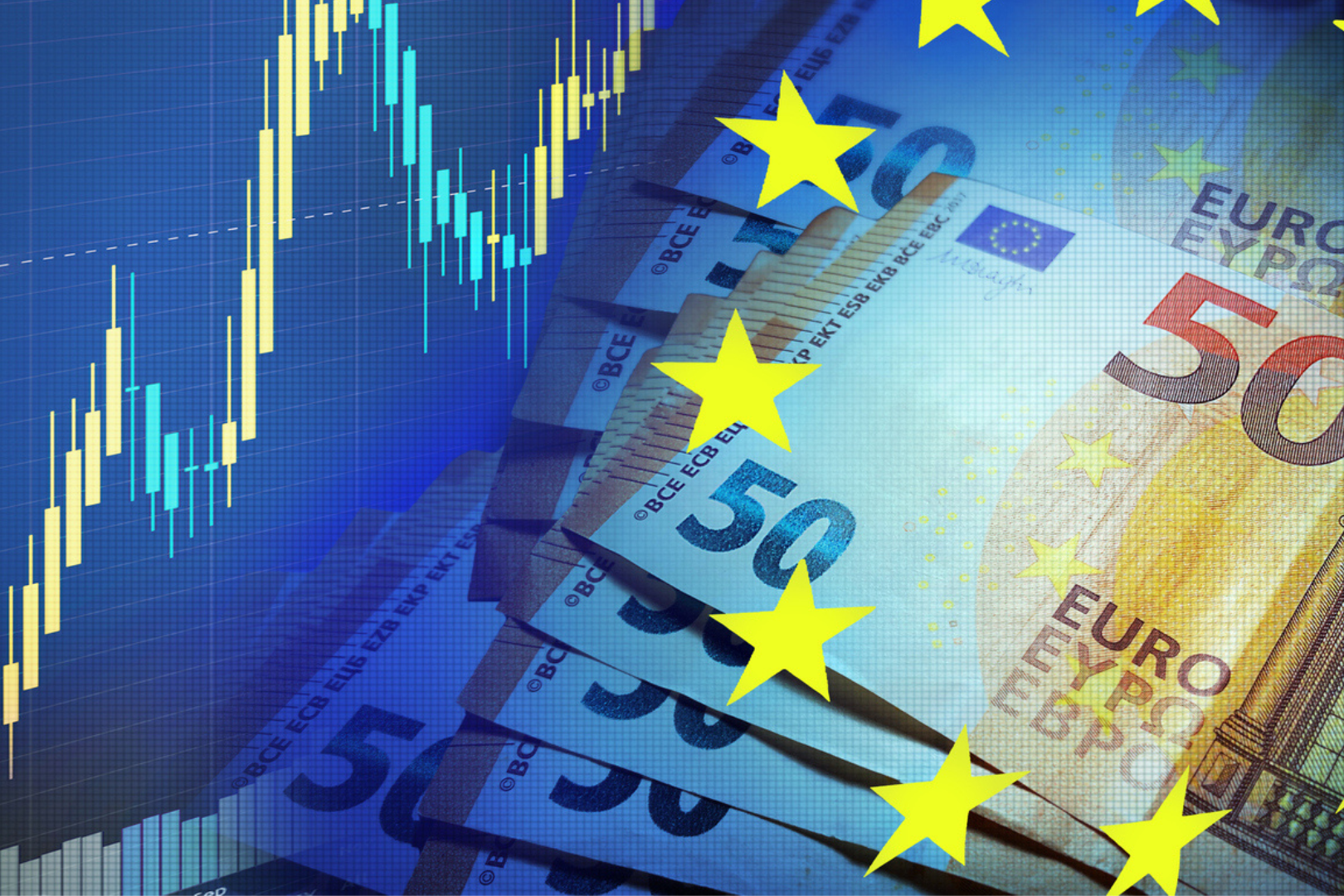
Europe is at a turning point. After last year’s crippling energy price shock caused by Russia’s invasion of Ukraine, Europe faces the difficult task of restoring price stability now while securing strong and green growth in the medium term. Economic activity has started to cool and inflation to fall as a result of monetary policy action, phasing-out supply shocks, and falling energy prices. Sustained wage growth could, however, delay achieving price stability by 2025. Failing to tackle inflation now will risk additional growth damage in a world exposed to structural shocks from fragmentation and climate change. These global headwinds add to Europe’s long-standing productivity and convergence problems. To lift Europe’s potential for strong and green growth, countries need to remove obstacles to economic dynamism and upgrade infrastructure. This will strengthen business-friendly conditions and investment. Cooperation at the European level and with international partners will position Europe as a leader in the climate transition and support economic stability across the continent.
 Full Report
 Chart of the Week
Chapter 1: Restoring Price Stability and Securing Strong and Green Growth
Europe is at a turning point. The continent simultaneously grapples with firmly bending the inflation curve now while securing strong and green growth in the medium term. To ensure a smooth return to price stability, the near-term policy mix should remain restrictive while structural policies need to tackle supply constraints and obstacles to economic dynamism.
Chapter 2: Wage Dynamics in Europe: Are Labor Markets Heralding More Inflation?
Wages and prices have been growing rapidly across Europe. This chapter evaluates the reasons behind recent wage and price dynamics, based on an in-depth analysis of the state of labor markets. Prior to the recent inflationary period, wages in Europe moved broadly in line with productivity growth and inflation expectations. However, wage growth in Central Eastern and Southeastern European Economies surged as inflation took off, representing second-round effects from higher energy and food prices. Advanced-economy wages have grown less fast but started to catch up with past inflation. Going forward, there is a sizable risk of higher-than-expected wage growth delaying the return of inflation to targets compared to the baseline. Given these inflation risks, monetary and fiscal policies should remain tight and avoid easing prematurely. Structural policies should focus on increasing labor productivity and labor supply.

Europe Must Succeed in Restoring Price Stability
So far so good. These words are probably a fair assessment of Europe’s progress thus far in its struggle against inflation. Policy interest rates have been raised resolutely, central banks have signaled commitment to keeping them high for as long as necessary, and inflation is down sharply from the double-digit highs of last year.
Underlying inflation, however, is proving more stubborn than headline inflation, which includes energy, food, and other more volatile items. Bringing it back to target, durably, remains a matter of urgency. Entrenched high inflation is distortionary. Moreover, prolonged inflation means prolonged high real interest rates, which would hurt private and public investment and therefore future growth.
Underlying inflation, however, is proving more stubborn than headline inflation, which includes energy, food, and other more volatile items. Bringing it back to target, durably, remains a matter of urgency. Entrenched high inflation is distortionary. Moreover, prolonged inflation means prolonged high real interest rates, which would hurt private and public investment and therefore future growth.
Publications

December 2025
Finance & Development
- More Data, Now What?

Annual Report 2025
- Getting to Growth in an Age of Uncertainty

Regional Economic Outlooks
- Latest Issues