



Recovery Interrupted
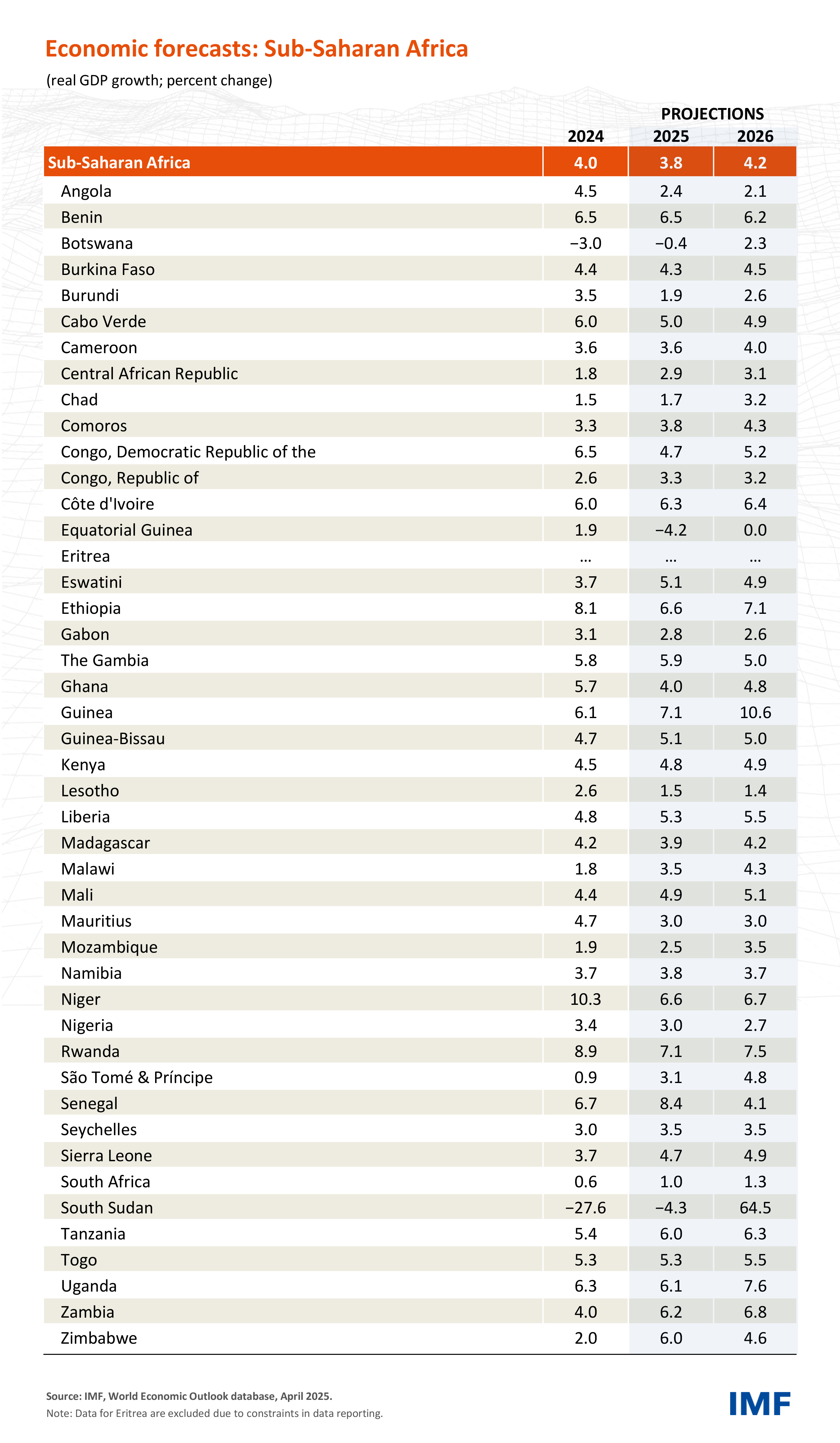
A hard-won recovery in sub-Saharan Africa has been overtaken by recent events. The sudden shift in the global outlook has clouded the region’s short-term prospects and significantly complicated policy making. After four years of crisis, sub-Saharan Africa’s authorities had already faced a significant challenge in their efforts to deliver economic stability while also advancing long-term development goals, all amid high social expectations. This task has now been made even more difficult by yet another shock, in the form of higher global borrowing costs, additional constraints on external funding, a downturn in global demand, lower prices for some key commodities, and a step increase in economic uncertainty. An extra premium is now on resilience—a country’s ability to rebound quickly from future shocks. The region’s progress and perseverance over the past few years is notable, but continued efforts will be needed to sustain the recovery and enhance the region’s resilience. Caution, consistency, and credibility are now more important than ever.
 Full Report
 Analytical Notes
 Remarks by Abebe Aemro Selassie
 Data Tools
 Podcast

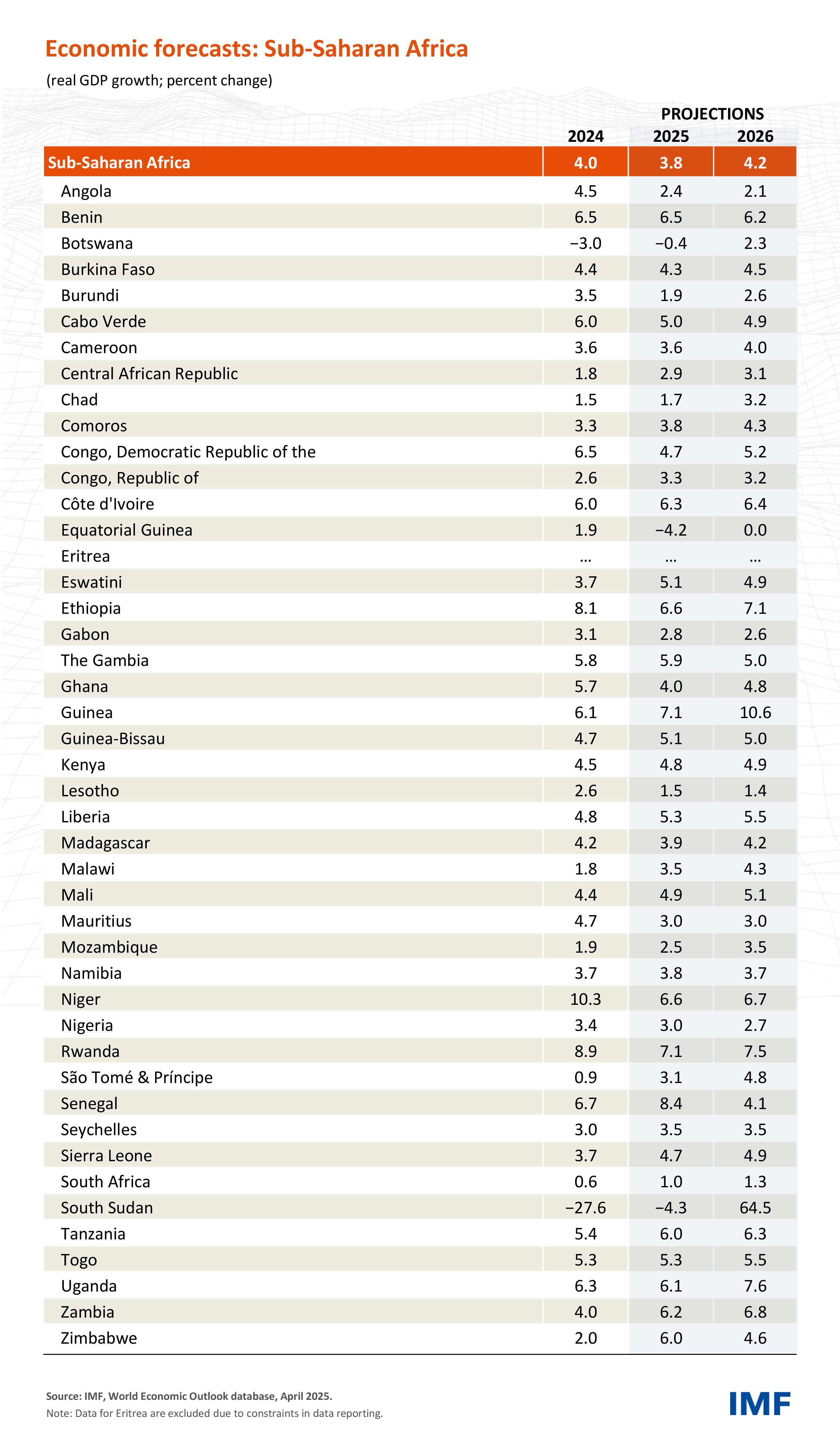

Breaking the Trend: Debt Stabilization in Sub-Saharan Africa
Historical experience suggests that stabilizing debt across sub-Saharan Africa is still achievable in most cases, even though debt levels are elevated and vulnerabilities are high.
Countries in the region, over recent decades, have often been able to consolidate (stabilize or reduce) their debt ratios without debt restructuring. Many countries have done so recently, even after the end of the commodity super cycle.
Successful debt stabilization requires measures to strengthen public finances and a sound macroeconomic environment, strong institutions, and pro-growth structural reforms.

Pushed to the Brink: Fragility and Conflict in Sub-Saharan Africa
Publications

December 2025
Finance & Development
- More Data, Now What?

Annual Report 2025
- Getting to Growth in an Age of Uncertainty

Regional Economic Outlooks
- Latest Issues