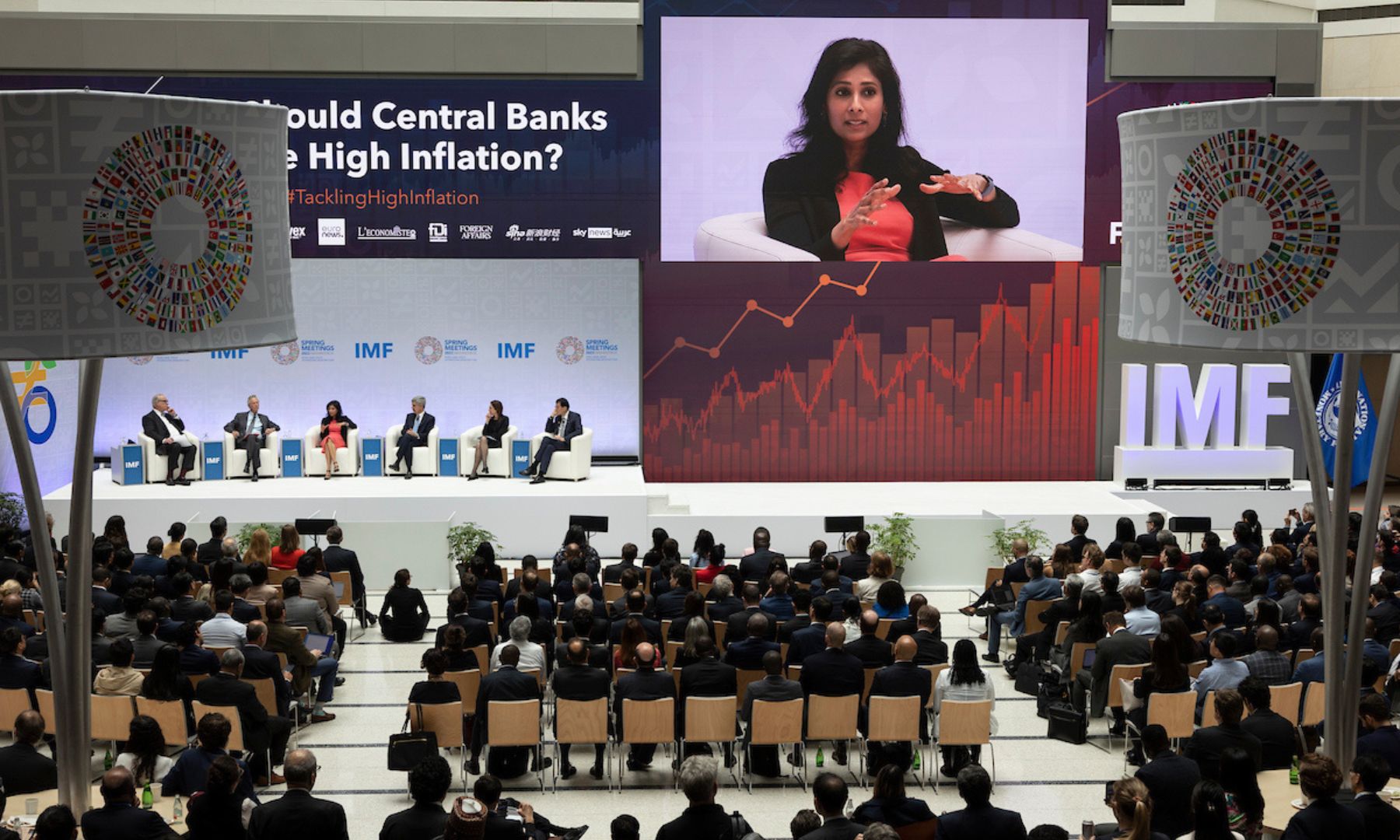
How Should Central Banks Battle High Inflation?
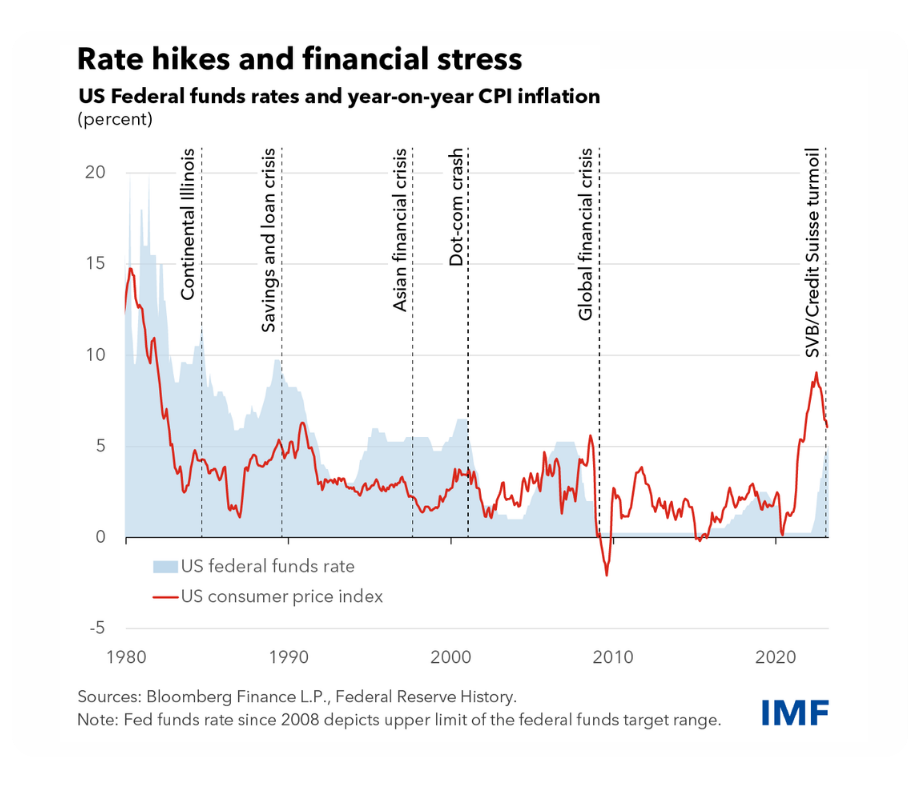
While headline inflation is falling, core inflation remains stubbornly high. But central banks must stay the course in bringing this metric down while keeping the financial system stable, the IMF’s Gita Gopinath told a seminar. Many countries have responded by raising interest rates, but some reacted late, panelists said. If the United States had started earlier, “we would not be in the midst of this trilemma of trying to simultaneously lower inflation, minimize damage to growth, and maintain financial stability,” Cambridge University’s Mohamed El-Erian said. Policymakers must now contend with a financial system conditioned to “low for long” rates adjusting to a world of “higher for longer.” Should central banks aim for inflation higher than 2 percent, the target of many central banks? Olivier Blanchard, of the Peterson Institute for International Economics, said he has long favored a higher target, which would give monetary policy more scope to adjust. Supply shocks aren’t going away in a hurry, panelists said, which means monetary policy will face more serious tradeoffs than before. But the lesson is to let these shocks happen and not fight them too hard, Blanchard said. “If the central banks have built credibility, they won’t suffer second round effects.”