Bolstering the industry, however, is no small feat. Yemen is suffering through one of the worst humanitarian crises in the world. “Over eight years into the ongoing conflict, the Yemeni people continue to face extreme hardship. Approximately 22.5 million people, or about 75 percent of the entire population, require humanitarian assistance, with over 4.3 million civilians displaced,” the World Bank reported. The IMF estimates that Yemen’s GDP will fall by 0.5 percent in 2023 and that inflation will run at 17 percent.
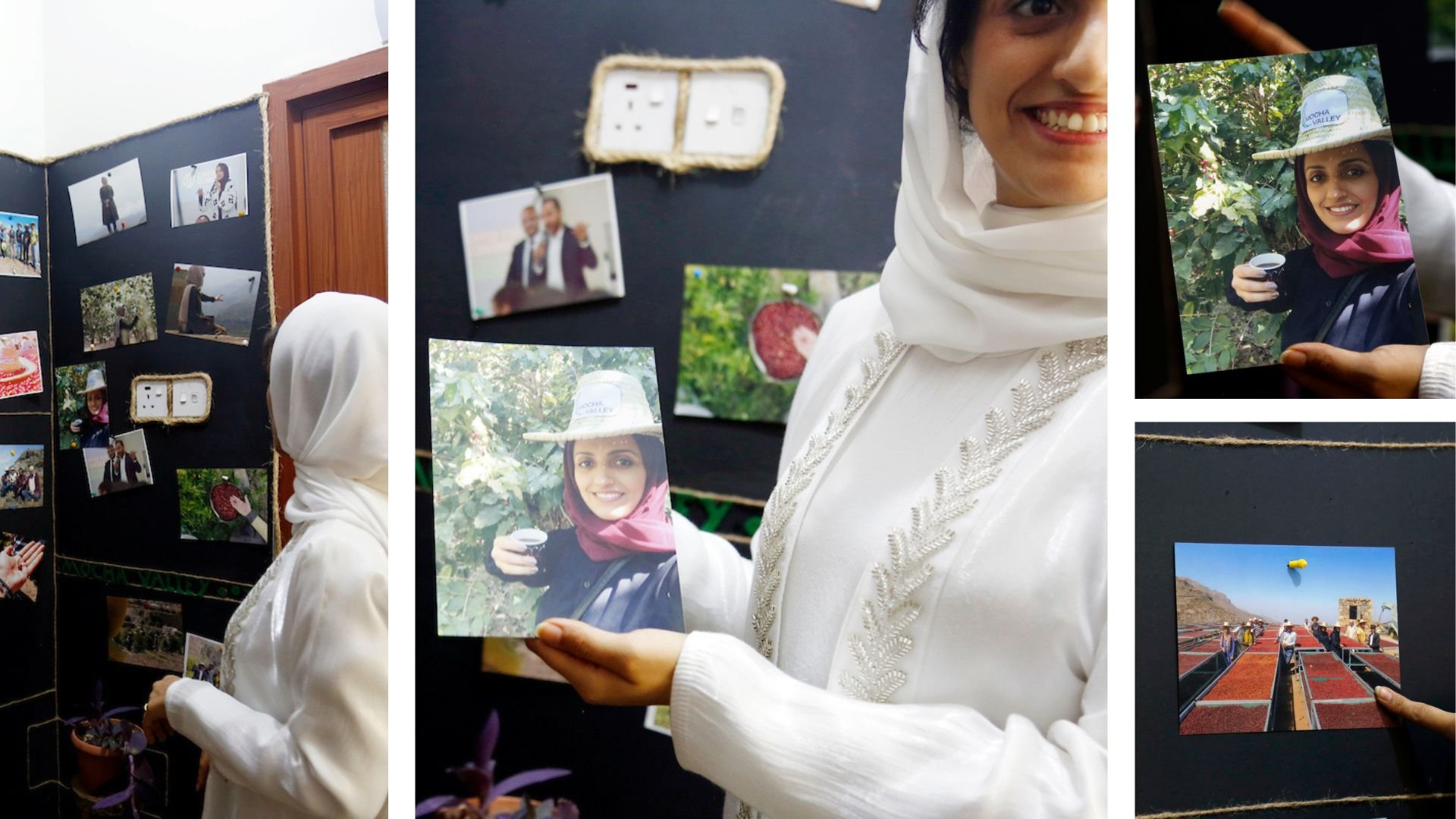
Al-najjar, however, is identifying opportunities. “Coffee workers were unqualified and untrained, and we started by providing knowledge and free training to coffee workers to understand why we need quality standards in Yemen.” When she launched Mocha Valley five years ago it wasn’t easy opening doors, and it still isn’t. Yemen has a traditional culture, and women are frequently discriminated against in business. “Being a woman is such a difficulty in our society,” she says, “Yes, of course, I have been told, ‘you are a woman and you cannot lead this company.’” Businesswomen are disproportionately burdened in seemingly banal ways. “Here in Yemen most of the deals, most of the contracts happen during qat sessions,” Al-najjar explains, describing meetings in which men—and only men—negotiate transactions while chewing the leaves of the shrubby stimulant, sometimes for hours on end.
Qat also presents another set of challenges for Al-najjar and her goal of expanding coffee production. For many Yemeni farmers, qat is a more lucrative crop than coffee; as a result it siphons off farmland as wells as a great deal of water in one of the world’s most water-scarce countries.
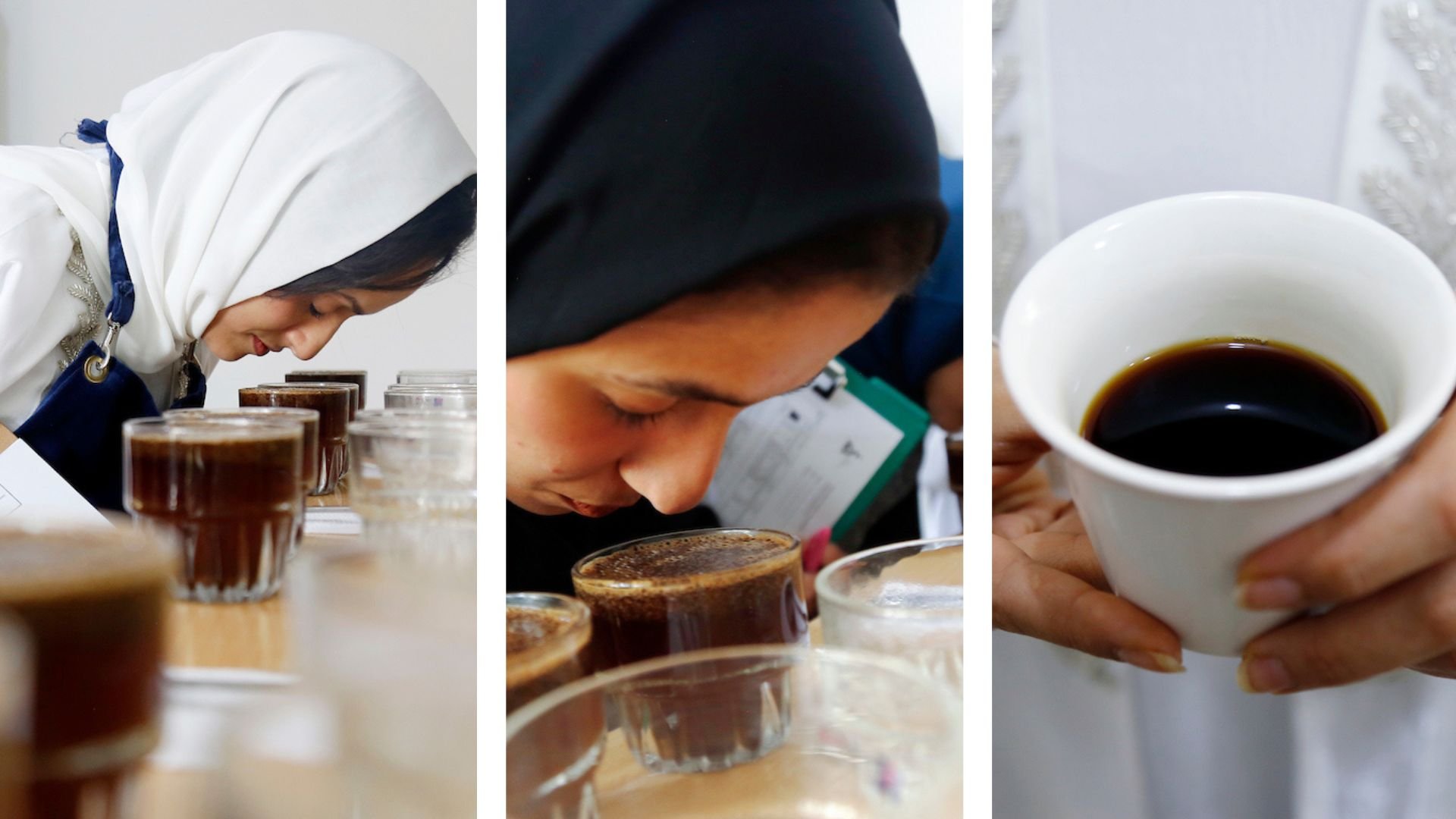
But Al-najjar is motivated to cultivate a stronger and more resilient coffee industry in Yemen and is optimistic that it can be made more efficient with greater participation from women. She is excited by the coterie of young female leaders being cultivated in Yemen’s coffee industry and at Mocha Valley. “They say they are inspired by such a journey, and they have goals,” she says. “Maybe in the future they are going to be leaders in the coffee sector.”