High Debts and Interest Rates Complicate Countries’ Quest For Growth
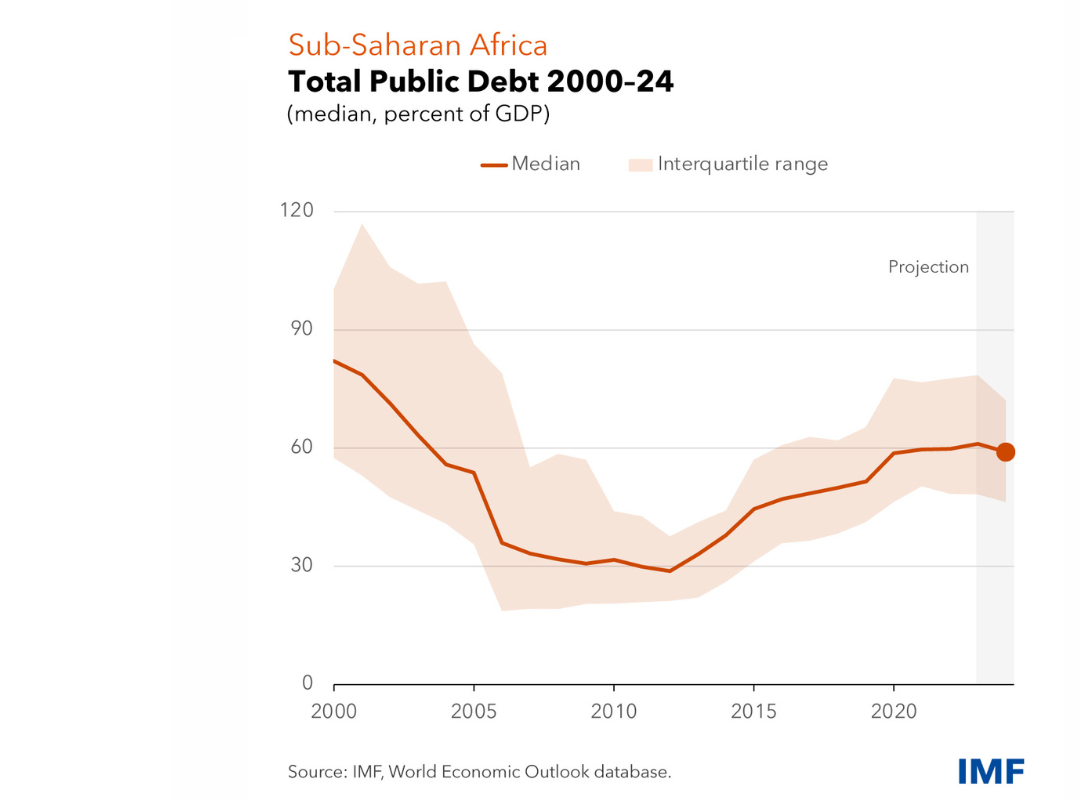
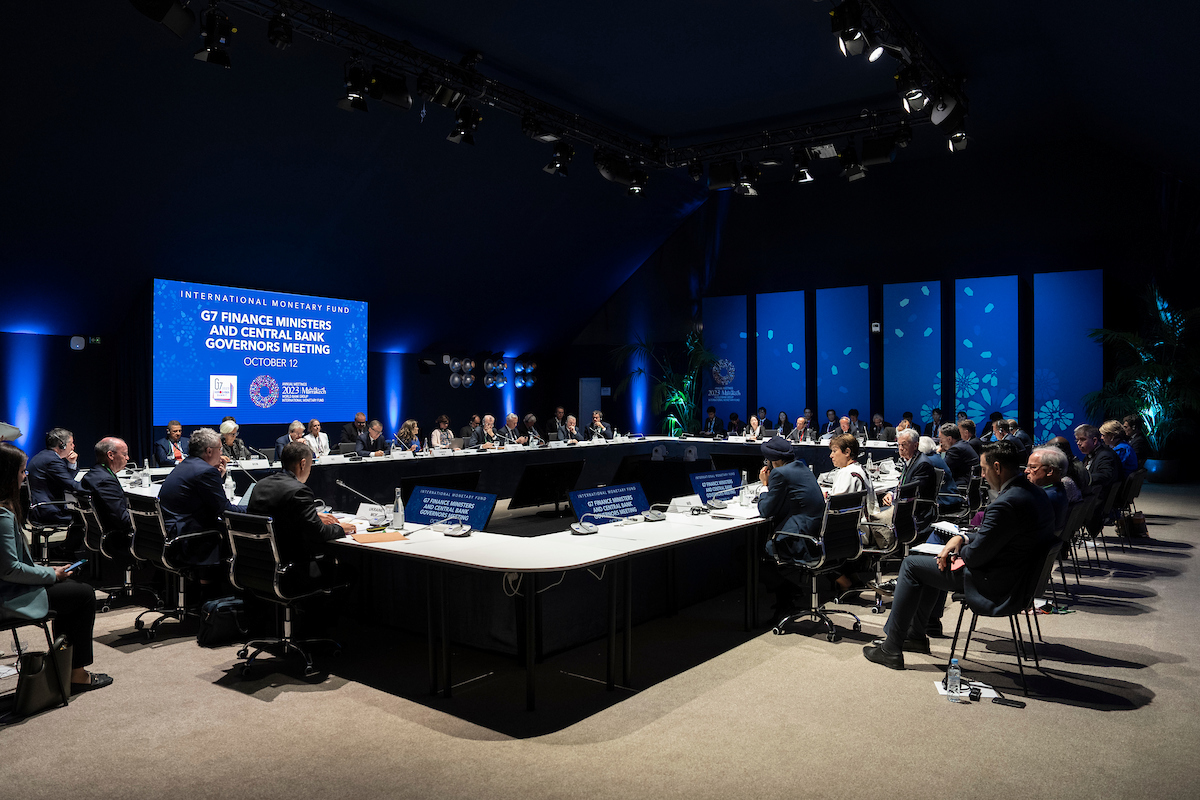
A combination of record-high debts, elevated interest rates and weak economic growth is making it harder for countries to meet their spending needs, the IMF’s First Deputy Managing Director Gita Gopinath told a seminar. By 2030, emerging markets and developing economies will need around $3 trillion in additional spending—about 5.5% of gross domestic product—to finance their development goals and the climate transition.“Prioritizing spending so it goes to areas that raise productivity is critical”, Gopinath said.
For Canada, that means investing in early learning and childcare, the country’s deputy prime minister, Chrystia Freeland, said.
Germany’s government is pushing reforms to labor and energy markets, according to the country’s finance minister, Christian Lindner.
He told the seminar some developing economies could increase the tax burden by 8-9 percent of GDP and still be efficient, in contrast to many advanced economies where the tax take is high already.
Tackling informality, increasing tax efficiency through digitalization, and ensuring tax compliance are all important. But Egypt’s finance minister Mohamed Maait said that traditional solutions might not always work or be possible politically.