

Finance & Development, December 2019, Vol. 56, No. 4 PDF version
Grass Roots
From Brazil to New Zealand, local activists show that small-scale
initiatives can make a difference
Waterman of India
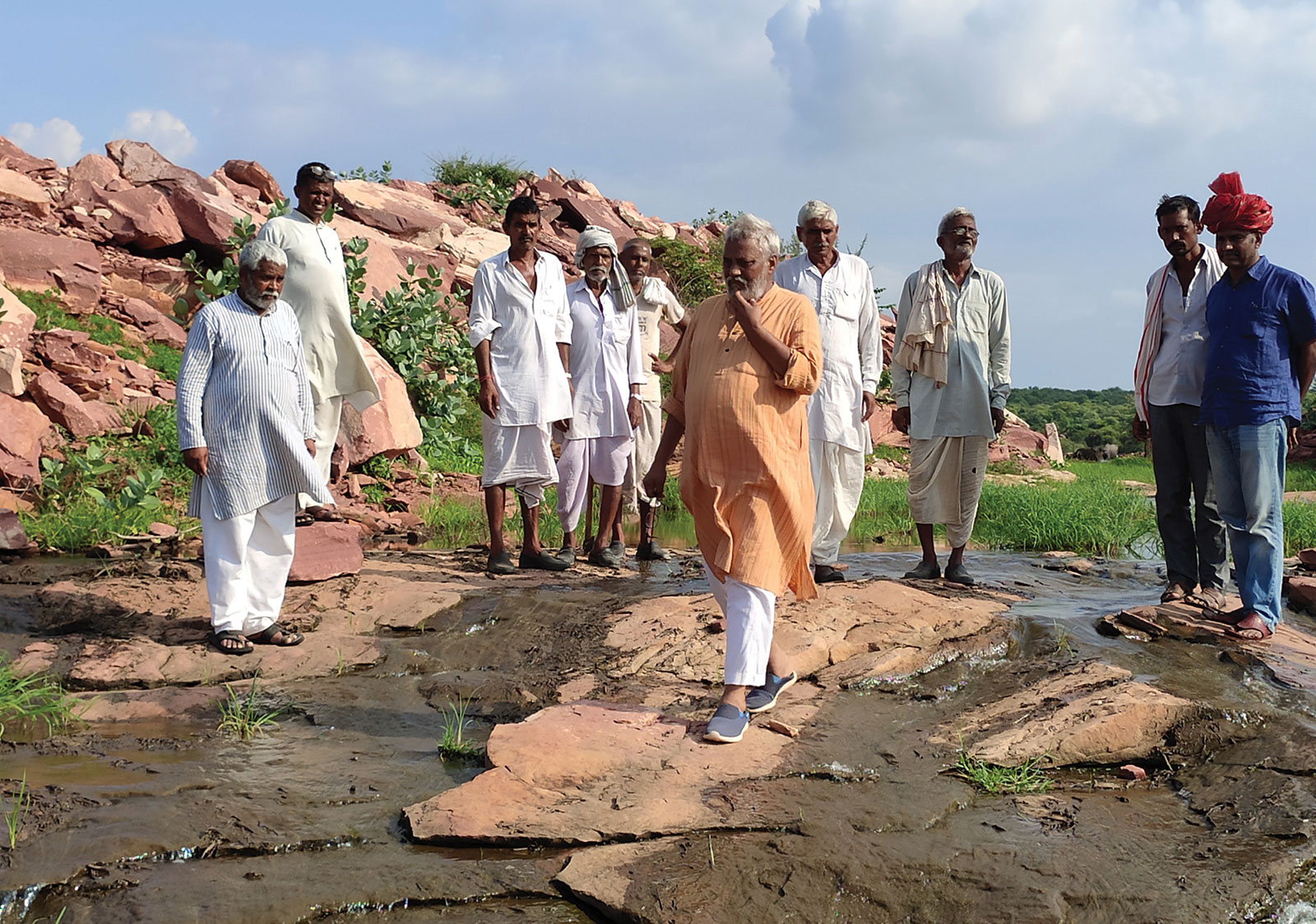
Rajendra Singh set out to cure the sick. He ended up taking on a far bigger problem: the shortage of water in India, a drought-plagued country with 17 percent of the world’s population but just 4 percent of its freshwater resources. It’s a crusade that has earned him the moniker “Waterman of India.”
In 1983, Singh quit an unrewarding civil service job to take advantage of his training in Ayurveda, an Indian system of medicine based on herbal remedies. He moved from Jaipur, the capital of the northern state of Rajasthan, to Gopalpura, a small village where a number of people suffered from night blindness, a condition in developing countries caused by vitamin A deficiency.
“I wanted to set up an Ayurvedic clinic to help cure them,” Singh says. “While I did do that as well, the people in the village underscored the fact that their immediate crisis was one of water.”
One of Singh’s patients told him about johads, traditional reservoirs made of rocks and earth. Singh, the son of a farmer, quickly understood the need for the reservoirs, which capture rainwater and so help prevent a decline in the water table. He enlisted the help of several friends and a few villagers to build the first johad, in 1985.
“There weren’t many people as most had migrated to the city as a result of water scarcity in the village,” Singh, 63, explains. “Most often it was the women in the village who helped.”
He persuaded villagers to overcome caste divisions and work together. “That was the only way water would become a collective and community project,” he says. It took more than eight months to build the johad, which is 15 feet deep and covers one acre.
Then they waited for the rains. By the end of the season, the reservoir was full. Soon water began to appear in wells that had been dry for years. Word spread, and people who had left the village began to return. “After the first johad helped the community, we have never been out of work.”
Singh built the first few johads with money he had made selling his belongings when he left Jaipur. He got help from a development organization, Church’s Auxiliary for Social Action, which donated truckloads of grain that he used to pay workers.
In the decades since, Singh and his organization, Tarun Bharat Sangh, have built more than 11,800 johads, helping make 1,200 villages water sufficient. Starting with a few students and professors from the University of Rajasthan, the group now has 62 full-time employees, 3,000 part-time employees, and more than 10,000 volunteers. His son, Maulik, is the group’s director.
Recharging underground water aquifers also helps mitigate climate change by restoring the growth of trees in drought-stricken regions. Singh’s current project is to adapt to climate change through water management. This project is being undertaken in 30 villages in a district of Rajasthan where the majority of people belong to the most marginalized and poorest communities.
Singh has a long record of activism. In the 1990s, he organized a demonstration calling for protection of rivers and mountains, leading marchers on an 800-kilometer trek from Jaipur to Gangotri, a town in the Himalayas at the source of the Ganges River. Soon after, he led a successful campaign against mining in the Aravalli Range, whose hills recharge aquifers in northwestern India and help arrest the advancing desert.
Singh says community-based efforts are more effective ways to conserve water than large infrastructure projects to pipe water to homes. “Where will the water in these pipes come from?” he asks.
“Community-based water-harvesting projects are the only way India can recharge its groundwater levels to mitigate drought,” he says. “People should take ownership of their water bodies. Otherwise no conservation effort will last long.”
Saving the Kiokio
It’s just before noon, and Calixte Yip, mayor of the remote coral-fringed atoll of Anaa in French Polynesia’s Tuamotu Archipelago, sits behind an aged wooden desk littered with items commonly found in an agricultural lab.
Among them are vials containing caterpillars—pests that pose a major threat to the island’s copra, or coconut, industry, a foundation of the atoll’s economy. At the root of the problem is a warming climate that encourages the growth of pest populations and breaks down the resilience of host plants.
At the same time, the island’s fisherfolk are struggling with stocks that have been decimated by indiscriminate fishing practices. These stresses are further exacerbated by limited education and employment opportunities.
But Anaa’s people, the Pa‘umotu, who were renowned in ancient times for their martial prowess, have risen to the challenge. Although the island’s population plummeted from 2,000 to 500 after a devastating hurricane in the 1980s, the remaining inhabitants continue to push back against large-scale commercial development, opting instead to live symbiotically with nature. Recently, they rejected a major developer’s proposal to build a hotel on the island.
With support from the Island Initiative, a regional charity committed to sustainable development, Anaa’s Pa‘umotu are seeking to improve the island’s food security by taking only what is needed from the ocean and at the right times. They have established a protected marine educational area and are retraining the people who fish the region to offer a sustainable catch-and-release fly-fishing tourism industry.
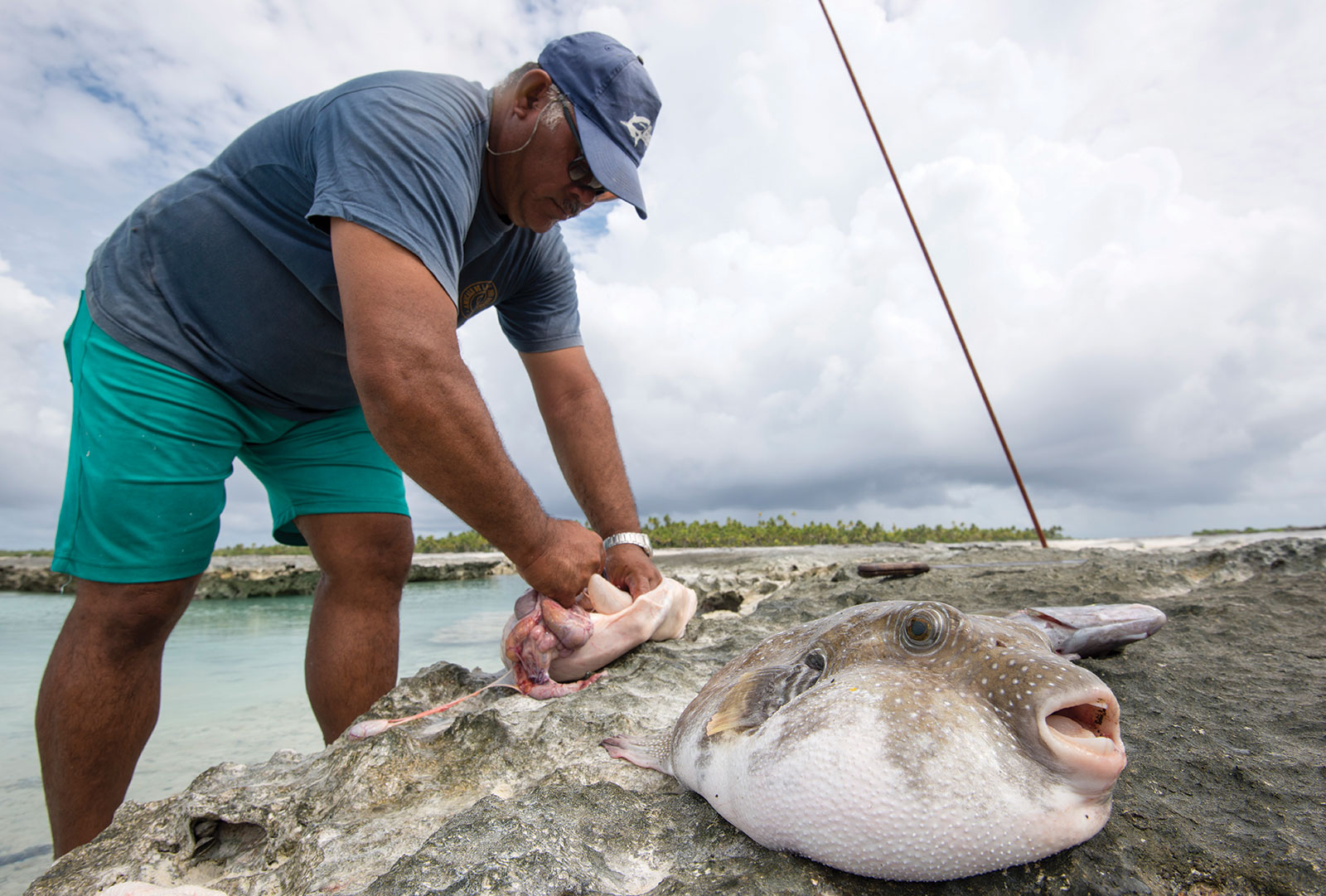
At the heart of this project is Raphael Ravieno, a guide whose legendary expertise has helped turn the island’s clear, shallow lagoon into a fly-fishing mecca. Enthusiasts from around the world come to stalk triggerfish, trevally, and most important, the island’s famous bonefish, known locally as kiokio.
“Everyone wants to fish with Raphael,” says US-based fisheries biologist Alex Filous, who has been educating the island’s children and teachers about the value of conservation and sustainable fishing.
Filous’s research has been instrumental in efforts to halt the decline of kiokio stocks. He determined that the number of viable offspring produced by the spawning stock was too low to ensure a sustainable population. The reason: female kiokio were being caught in large numbers during the spawning season.
He responded by recruiting children from the local school, where Ravieno’s wife works, to persuade adults to adopt conservation measures. The most important step was to restore the rāhui, a traditional ban on fishing during the kiokio’s spawning season, which provided a connection to the culture of the region and has been widely embraced.
To gain support for the ban, the Island Initiative is compensating fisherfolk for the income lost during the rāhui period. It has also given local craftspeople and fly makers a guaranteed income by setting up package agreements with foreign tourism providers.
“This system is in line with ancient traditions of the Pa‘umotu that rely on symbolic values to manage the sustainable distribution of scarce resources,” says local photographer and guide Moana Kauti. “It also brings in valuable ecotourism income.”
Although overfishing has undeniably played a role in the decline of Anaa’s kiokio population, Ravieno says other factors are also at play. For example, the time of spawning is no longer as predictable as it once was. Climate variability is a major contributor to such seasonal biological shifts, undercutting the effectiveness of the rāhui.
Challenges aside, Filous believes that Anaa is proof that an ailing small-island economy can be resuscitated by community-driven, environmentally sustainable industries. He is optimistic that tourists drawn by fly-fishing will be a major part of the solution.
“I’m confident in what is to come,” he says. “This entire atoll is one giant bonefish paradise.”
From Sheep to Trees
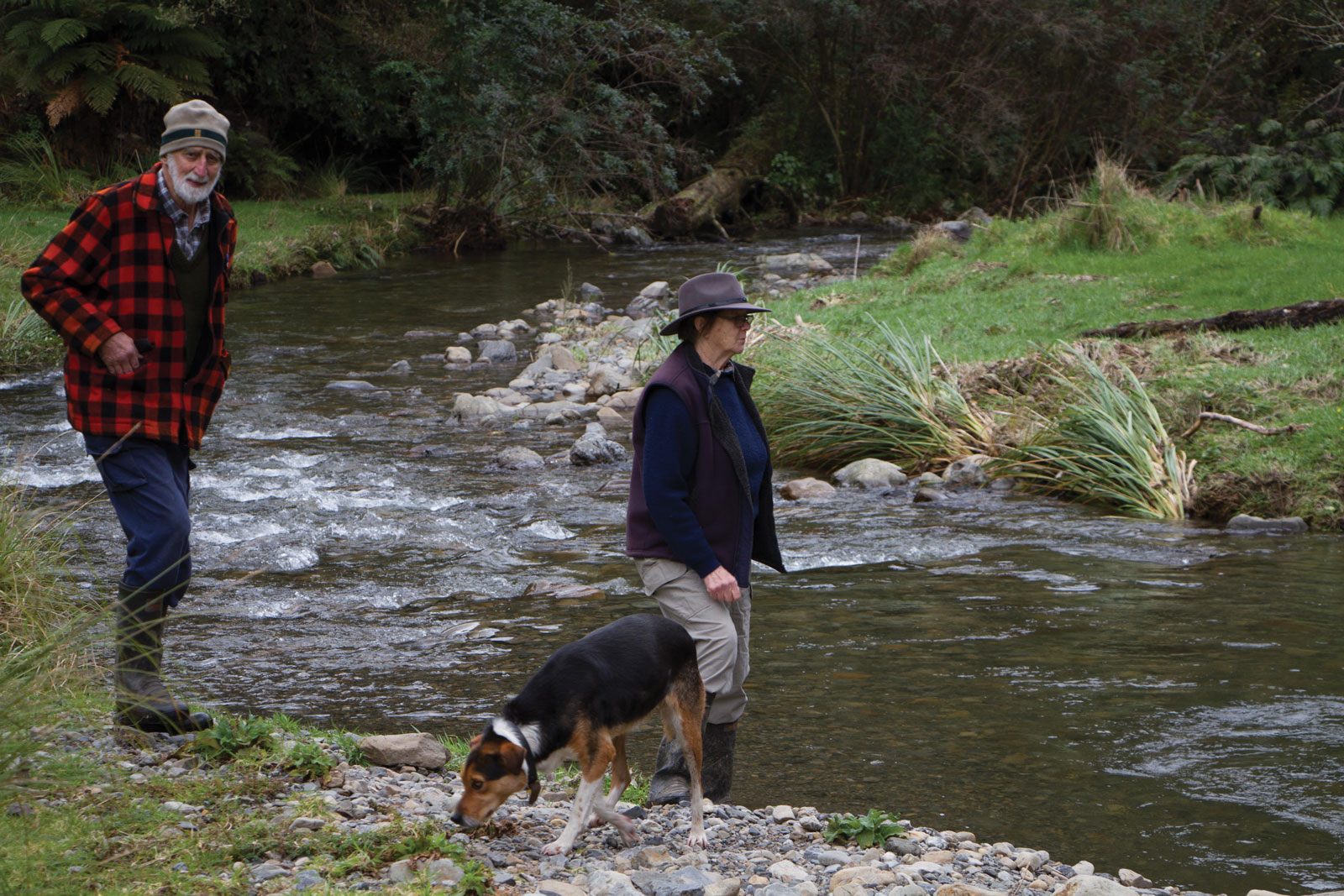
Three decades ago, while still in their 40s, Marlene and Patrick Anderson decided to drop out of the rat race. Since then, they have been planting trees and helping New Zealand fight climate change.
Their 884-hectare property is tucked away at the end of a long gravel road, outside a town called Shannon, about an hour and half’s drive northeast of the capital, Wellington. The couple rely on satellite for their internet connection. Past their gate, there is a pretty, meandering stream that runs through an oasis filled with various species of trees and plants.
“I always wanted a stream with no one upstream,” says 80-year-old Patrick.
“Back in 1987, when we bought the place, there were no trees,” he says. “The land had been cleared and was used for sheep farming.” Since then, the Andersons have planted tirelessly and have helped bring back native trees.
“Our ultimate aim is to return it to native forest,” says Patrick. “A lot of that reversion does happen on its own. We nurture the process.”
Patrick used to be an engineer with Honeywell International, a giant US-based conglomerate, working in the management of heating, ventilation, and air-conditioning systems. His wife stayed home, raising their three children. When he turned 48, he decided it was time for a change.
“I thought, ‘I’ve had it with the rat race,’” he says. “We had to find something different to do.”
Their children were 8, 11, and 14 when the family moved. They sold their house in Wellington and bought land from a local farmer.
“The owner took us in an old Toyota to a vantage point. We knew instinctively this was it,” says Patrick.
Though Patrick had grown up on a farm, he knew nothing about farming. But he has always enjoyed gardening, like his father before him. Marlene’s family were market gardeners. So there was an appreciation for the outdoors and for nature, but no hands-on experience.
“We thought we could develop it into a viable farm,” says Marlene, who is originally from Australia. “For 14 years, we tried sheep farming. It was hard. From 2001 onwards, we leased the land out to other farmers for grazing to generate income.”
In 2007, then–Prime Minister Helen Clark introduced an emission-trading system to tackle climate change. In 2008, forestry was included in the program, giving landowners an opportunity to generate revenue from the carbon dioxide sucked out of the atmosphere by trees planted since 1989.
The couple realized that growing trees offered a more profitable use of their land than grazing sheep. But money wasn’t their only motivation.
“Patrick loves trees. He talks to them,” Marlene says.
“If we wanted to make money, we would only plant pine. We’re using the credits to help regenerate the native forest.” Radiata pine is the dominant plantation forestry species in New Zealand, has a very fast growth rate, and absorbs a lot of carbon dioxide.
The Andersons have a wide range of native trees on their property, including kamahi, red beech, and tawa. They have also taken steps over the years to look after their stream. In 1996, a freshwater ecologist from a nearby university came to see them.
“He was looking for streams with native fish,” Marlene says. “He found lots in ours. We decided it was worth protecting. For a start, we realized it wasn’t a suitable place for cattle and took the animals out of that area.”
The stream is a haven for native species, which include the whitebait species of banded and short-jawed kokopu, as well as koaro, torrent fish, and red-finned bullies.
The couple have passed on their love of nature to their children.
“Our kids are tree huggers,” Marlene says. Their son Luke is working on a documentary film on different ways of looking at rivers “from a spiritual and ecological point of view.” David, the eldest, works for a stamp manufacturer, and Monique, who has autism, receives support to run a microenterprise that produces handmade jams, chutneys, and pickles.
The Andersons say their life journey feels fated. “If you have it deep in your head, it almost finds you, doesn’t it?” Patrick says. “It was meant to be.”
Fighter for Forests
Five centuries ago, the Atlantic Forest covered 1.3 million square kilometers of modern Brazil. Today, only 12 percent of that pristine paradise is left.
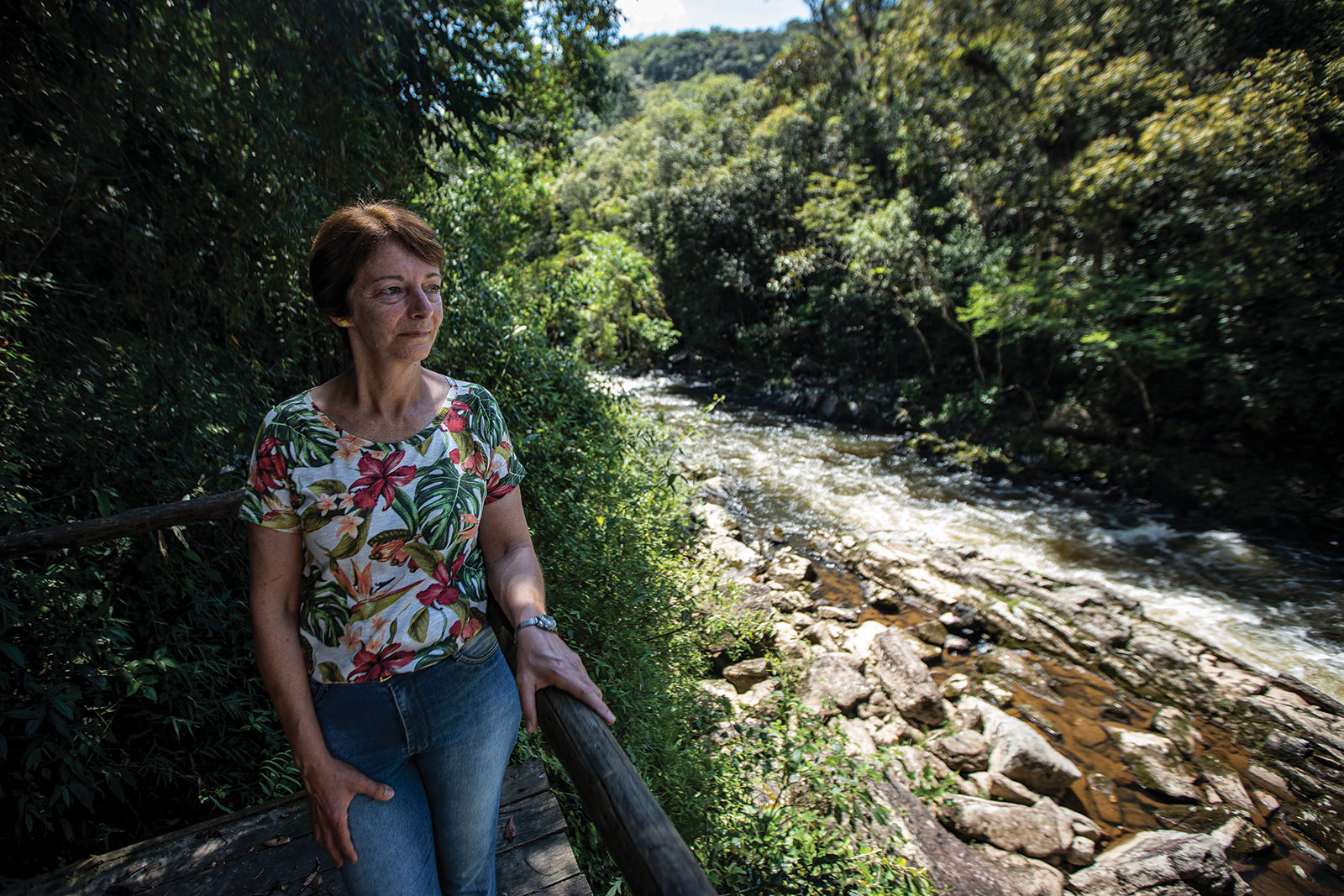
Clelia Maria Rossi is doing her best to preserve it.
For years, Rossi worked in São Paulo, a city of 12 million, as a volunteer for SOS Mata Atlântica, an organization dedicated to the protection of Brazil’s second-largest biome after the Amazon. Over the centuries, much of the forest gave way to urban development and agriculture, including sugar and coffee plantations.
Rossi gave up her job as a high school biology teacher and left the skyscrapers of São Paulo five years ago for the small city of Juquitiba, 80 kilometers to the south. Now she is teaching children to treasure the forest that is home to 1,711 vertebrate species, 20,000 varieties of plants, and seven watersheds.
Rossi, who is divorced, moved to Juquitiba when her two daughters were grown and bought six hectares of native forest. The property was part of a larger parcel that was at risk of being cut down to make way for weekend homes with swimming pools and tennis courts.
“My dream was to buy the whole property because it is a preserved area that protects the State Park of Jurupará, and it is connected to the Juquiá River’s riparian forests,” she says. “I still don’t have the money, but one day I will.”
Her land is home to howler monkeys, tamarins, tree frogs, tapirs, and capybaras; there are no people, buildings, tools, or even footprints. To fence her property, she used old fire hoses rather than barbed wire, so as not to hurt the migrant animals.
“I was so happy when I first found some traces of the presence of tapirs in my land,” she says.
From the beginning, she knew she would have to work hard to educate the local people and build support for the protection of the remaining Atlantic Forest and the two rivers of this region of southwestern Brazil—the Juquitiba and the Juquiá.
She started teaching people who lived close to her property, especially children, the importance of the native woods. Later, she began to work in small rural communities and public schools in the city of Juquitiba. She joined a citizens group engaged in protecting local water sources that successfully stopped plans to divert the Juquiá River.
In the public schools of Juquitiba and the neighboring town of São Lourenço da Serra, Rossi finds a way to advance her cause. Every year more schools invite her to teach classes and seminars.
Rossi designs recreational activities and competitions to teach children about the separation and treatment of garbage, cleaning river banks, planting native seedlings, and ways to prepare the ground for crops without burning the land.
She teaches children to respect the remaining Atlantic Forest reserves, rivers, and sources of clean water. As she likes to say, people who learn to love nature as children will grow up to be environmentally friendly adults.
Years ago, when she graduated from university with a degree in biology, she wanted to be a researcher but could only find work as a teacher, she recalls.
“Now I already have couples who were my students whose children are coming to my programs,” she says. “Being an environmental teacher is the accomplishment of my life.”
A Voice for Lake Chad
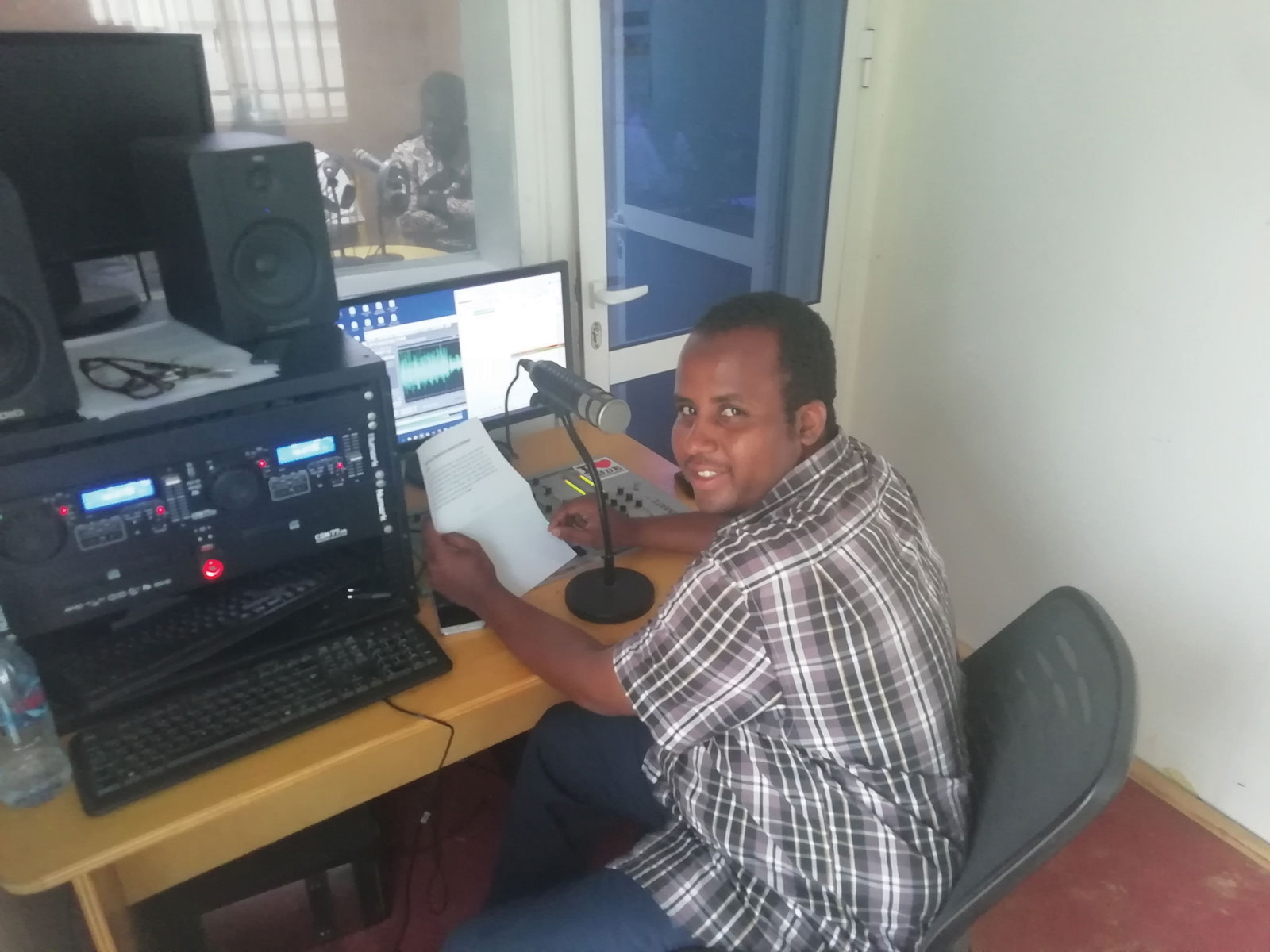
When Moussa Ali Mouta told his parents he was broadcasting news to residents of central Africa’s Lake Chad region in the family’s native language, they cried tears of joy.
Until the launch of Radio Ndarason Internationale (RNI) in 2016, no single station targeted Lake Chad, one of the most dangerous, conflict-ridden, and environmentally distressed places on earth. Residents relied on shortwave foreign-language broadcasts by stations like the BBC and Radio France Internationale.
Moussa speaks Kanembu, one of three languages in the region, many of whose residents either have been victims of the extremist group Boko Haram or are members of the organization.
Boko Haram operates in a largely lawless area that includes parts of Cameroon, Chad, Niger, and Nigeria. A multinational task force formed to destroy Boko Haram is often the only government presence around the lake.
The area’s illiteracy, population growth, and unemployment are among the world’s highest. An encroaching Sahara Desert, rising temperatures, and diminishing rainfall are shrinking a lake that provides a livelihood for tens of millions of people.
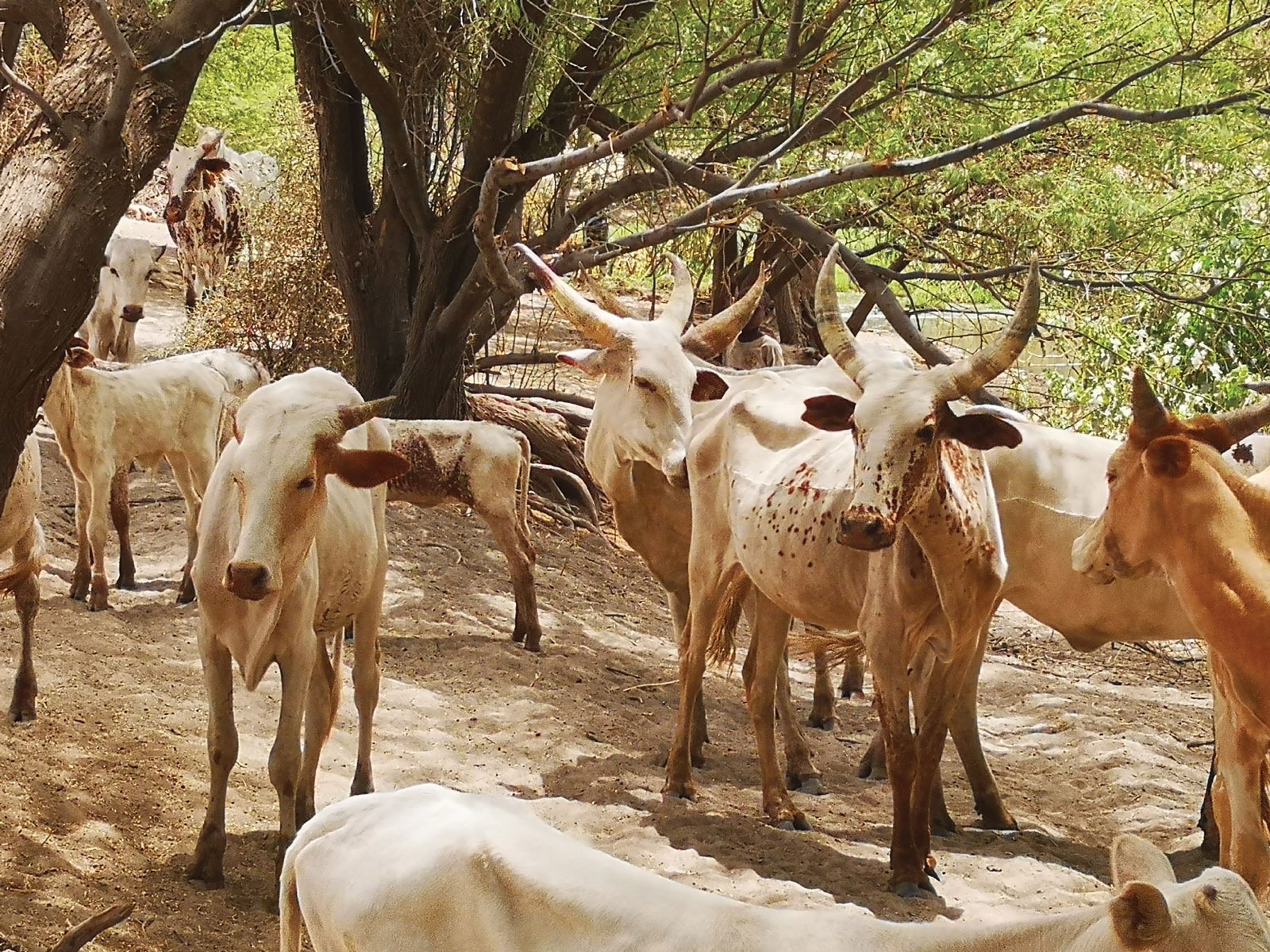
Such an environment is an ideal incubator for violence and instability, which makes it that much harder to address the problems of climate, development, health, and education.
Unusually for someone from such a poor region, Mouta was able to study communications and English in Malaysia. Few of his compatriots have been exposed to life beyond the shores of Lake Chad.
Mouta says he joined the station because he wanted to combat the region’s multiple problems head-on by engaging the population, using local knowledge to forge grassroots solutions.
He is teaching new Kanembu colleagues to share best practices for fishing, agriculture, and pastoralism. He is in constant contact with his target audience —by telephone and social media and through work in the field. For example, he interviews a fisherman working in the Chadian waters of the lake and shares this knowledge with listeners.
RNI began operating in Maiduguri in Nigeria and N’Djamena in Chad. It has about 50 mainly Nigerian and Chadian staff and correspondents in Cameroon and Niger. The station works in partnership with the Lake Chad Basin Commission and with the political support of the African Union.
Since starting at RNI in 2016, Mouta has brought agricultural specialists, veterinarians, and experts from United Nations humanitarian agencies into the studio to supplement the knowledge he gathers in the field.
RNI devotes programming to humanitarian partners who want to reach the local population effectively, in a language they understand. Mouta notes that this is a change for the agencies, which are not accustomed to taking advantage of a regional-radio approach.
Mouta, who is 29 years old, is a natural behind the microphone, throwing out admonitions in Kanembu in an effort to prompt people to think regionally rather than locally—phrases such as “taking care of our environment is taking care of our future, including the future of our children.”
Because of weak infrastructure and instability, shortwave radio remains a key source of news for the population of the lake region. Transmitters are located off the Atlantic coast, protecting them from attack.
With buy-in from the region’s four national governments and the support of the Netherlands, the United Kingdom, and other donors, radio is being used as a tool to stimulate dialogue among the primary victims of instability and the worsening climate crisis. If the goal is a stable, prosperous, and sustainable Lake Chad region, the people of the lake must believe it is possible. Mouta is proof they do.
Reported by ASHLIN MATHEW in New Delhi, India;DAPHNE EWING-CHOW in French Polynesia;ANNA JAQUIERY in Wellington, New Zealand;DENISE MARÍN in São Paulo, Brazil; and David Smith in N’Djamena, Chad.
PHOTOS: COURTESY OF RAJENDRA SINGH; ALEX FILOUS; LUKE ANDERSON; HEITOR FEITOSA; DAVID SMITH; DAVID SMITH
Opinions expressed in articles and other materials are those of the authors; they do not necessarily reflect IMF policy.