Artificial Intelligence
Artificial intelligence is reshaping the global economy, offering major gains for productivity and growth but also raising new risks for inequality and policy design.
A Structural Shift Already Underway
Generative AI is already changing how economies function—from public services to labor markets. This technology marks a major structural shift with wide implications for jobs, productivity, and how income is shared.
What It Means for Workers
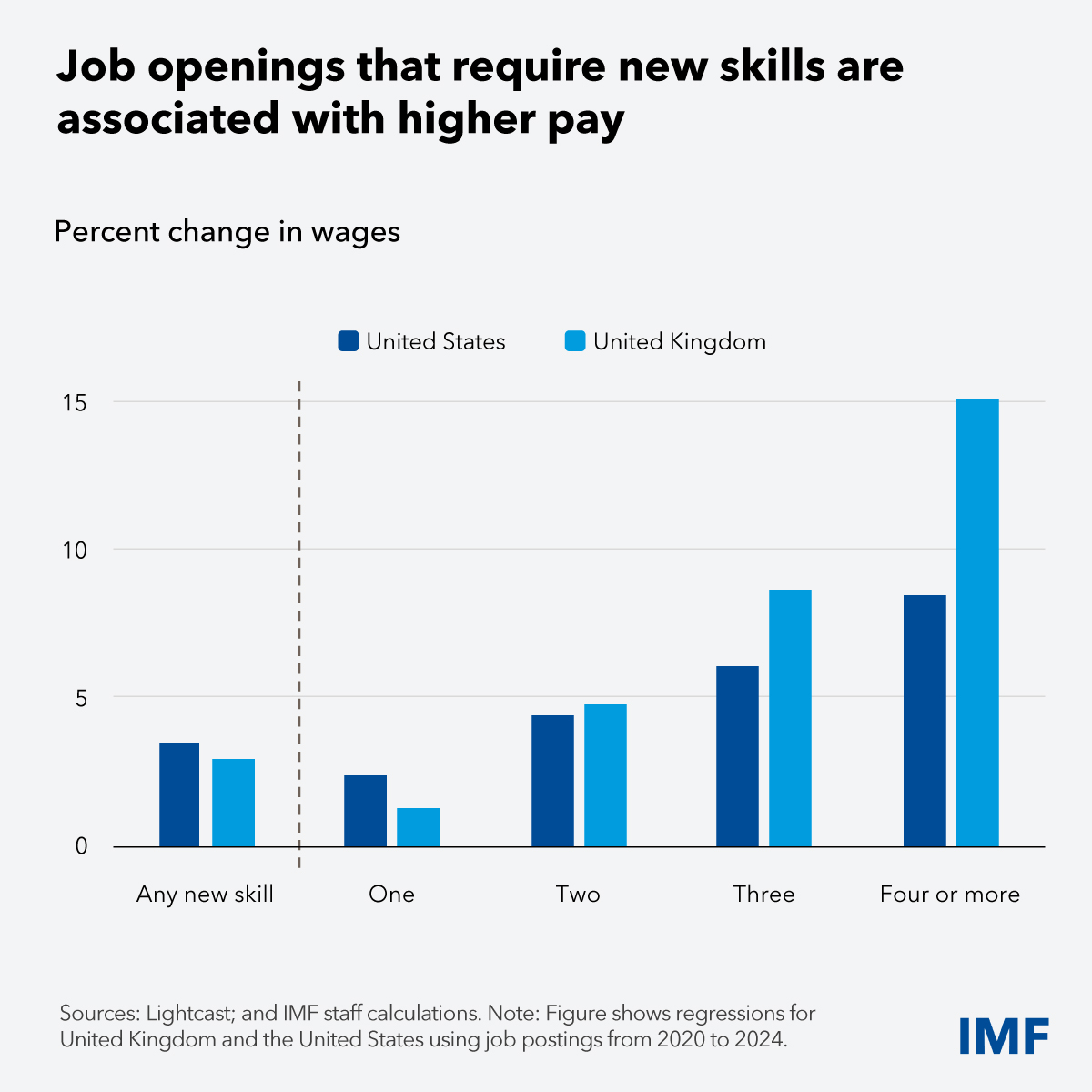
Whether AI supports broad‑based prosperity will depend on how well workers adapt. Demand for digital and AI‑related skills is rising quickly. Without large investments in education, reskilling, and lifelong learning, young people and middle‑income workers may face the greatest pressure.
Policy Choices Will Shape Outcomes
Advanced economies will need to balance innovation with strong safeguards. Emerging and developing economies must expand digital infrastructure and skills to avoid widening global divides. Fiscal policy, social protection, and central‑bank assessments of AI’s impact on labor markets will all be critical.
How the IMF Is Supporting Countries
The IMF is helping members understand and manage AI’s impact through analysis, policy advice, and capacity development. The Fund is examining macroeconomic, labor‑market, and financial‑stability effects; integrating AI considerations into surveillance and technical assistance; and convening forums where countries share lessons and practical guidance.