IMF Executive Board Concludes 2018 Article IV Consultation with Grenada
IMF News, July 25, 2018
Source details
- Canonical URL
- IMF Executive Board Concludes 2018 Article IV Consultation with Grenada
Other formats
Bibliographic details
- Published: July 25, 2018
Recent performance and context
- The Grenadian economy grew by an estimated 4½ percent in 2017, driven by strong activity in construction, tourism, and education sectors.
- Weather-related weakness in agriculture was a headwind in 2017.
- Unemployment fell from 28 percent in 2016 to 23.6 percent in 2017.
- Inflation is low, falling below 1 percent, supported by the peg to the US dollar.
- The 2017 current account deficit increased by 3½ percentage points of GDP to 6¾ percent of GDP, reflecting rapid import growth.
- The fiscal situation improved in 2017, with the government overperforming the targets of the Fiscal Responsibility Law (FRL).
- The primary surplus increased to 5¾ percent of GDP while public debt fell below 71 percent of GDP at end-2017 from 82 percent of GDP in 2016.
Outlook and projections
- 2018 and 2019 growth is projected at 3½ percent, benefiting from supportive global conditions and continued strength in construction and tourism.
- Thereafter growth is expected to ease to the long-term potential rate of 2¾ percent.
- Inflation is expected to edge up in 2018 reflecting recent global energy price increases, but stabilize at 2 percent in the medium term.
- The primary fiscal surplus is expected to remain high in the near term, supporting rapid debt reduction.
- Once the public debt ratio falls below 55 percent of GDP (projected for 2020), fiscal surpluses and the pace of debt reduction are expected to moderate.
- The external current account deficit is projected to increase to 7½ percent of GDP in 2018 mostly from recent increases in energy costs, but would decline thereafter as construction-related imports and energy prices are expected to ease.
Executive Board assessment and main messages
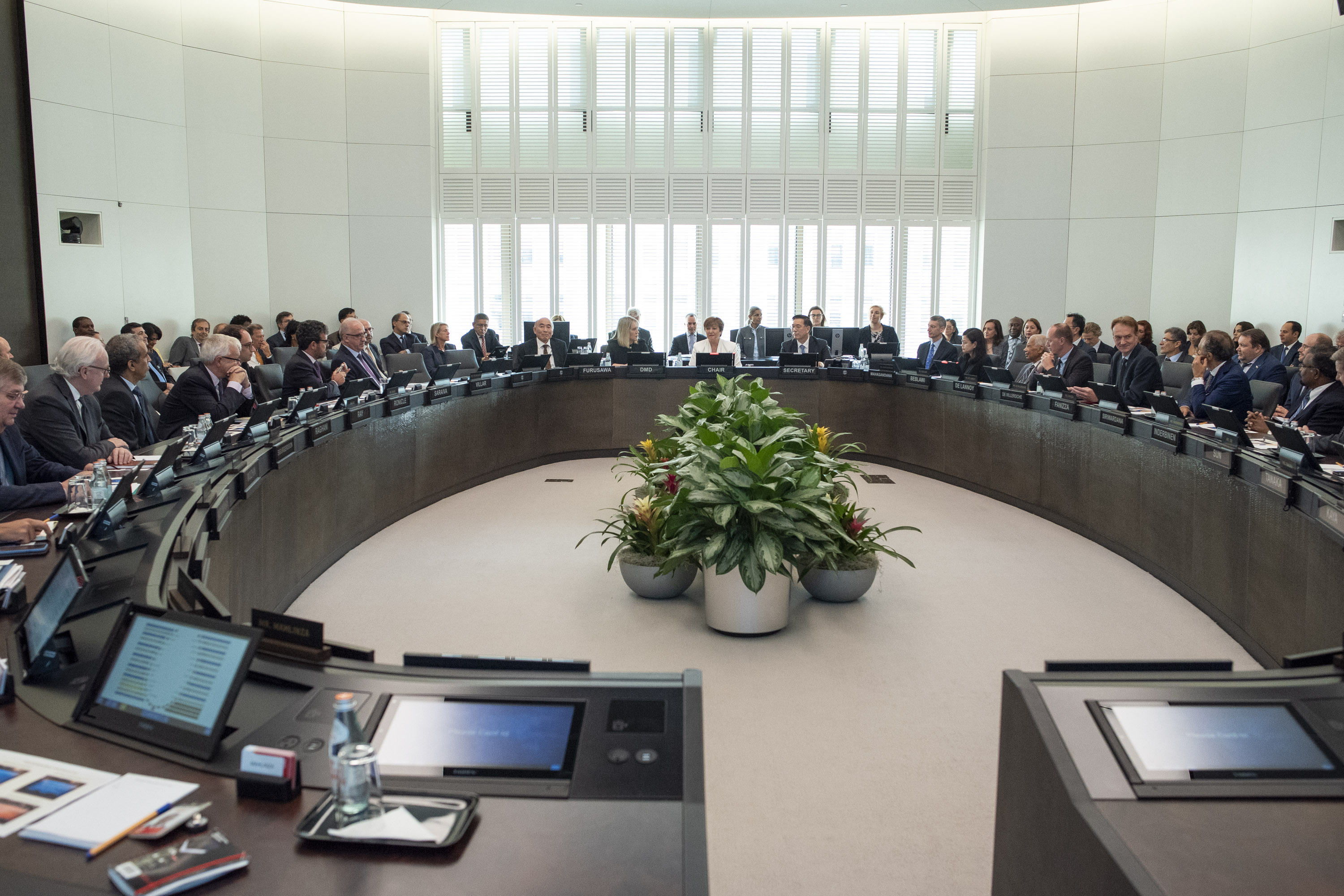
- Directors commended the authorities for implementing sound policies leading to a strong economic and fiscal performance and sustained debt reduction.
- Directors stressed that continued policy resolve and public support for reforms are critical to restoring debt sustainability, improving medium‑term growth prospects, and strengthening the financial sector.
- Directors welcomed continued fiscal adjustment in compliance with the FRL and noted scope to improve the FRL’s operational aspects; they recommended approaching substantive changes as part of a comprehensive plan that balances debt reduction with the need to create fiscal space for high‑quality infrastructure spending.
- Directors welcomed authorities’ intention to implement recent initiatives on pensions and health care consistent with the FRL’s targets.
- Directors encouraged reforms to improve public financial management, expenditure efficiency, and fiscal transparency; they saw scope to strengthen social assistance programs and the productivity of state‑owned enterprises.
- Directors emphasized continuing tax administration reforms and resolving remaining bilateral arrears.
- Directors welcomed advances in fiscal transparency, including establishment of the Fiscal Responsibility Oversight Committee, and encouraged further progress.
Financial sector and regulatory recommendations
- Directors welcomed indications of a strengthened banking system and considered that banks are better poised to contribute to private sector investment and growth.
- Directors noted the rapid increase in lending by credit unions and called for strengthening supervision of the sector by the local regulator to reduce potential financial stability risks.
- Directors encouraged support for ECCU-level steps toward a regional approach to regulation and supervision of the non‑bank financial sector.
- Directors emphasized the importance of complying with AML/CFT regulations, including enforcement of the due diligence process of the Citizenship‑by‑Investment program, noting this was critical for Grenada’s continued access to stable cross‑border payments.
Structural challenges and reform priorities
- Directors underscored the importance of implementing structural reforms to boost potential growth, noting Grenada’s susceptibility to natural disasters and structural weaknesses such as high unemployment and the external competitiveness gap.
- Recommended measures include improving the business environment and labor market, addressing weaknesses in implementation of public infrastructure spending, reducing skill mismatches, and continuing efforts to strengthen resilience to natural disasters.
Selected economic and financial indicators (2015–2023, as presented)
- Rank in UNDP Human Development Index: 79
- Infant mortality rate per '000 births (2016): 9.9
- Adult illiteracy rate in percent (2004): 4
- Life expectancy at birth in years (2014): 73
- Poverty headcount index (2008): 38
- GNI per capita in US$ (2017): 10,390
- Unemployment rate (2017): 23.6
- Population in millions (2016): 0.11
Key annual figures (selected)
- GDP at constant prices: 2015: 6.4; 2016: 3.7; 2017: 4.5; 2018: 3.6; 2019: 2.9; 2020: 2.7; 2021: 2.7; 2022: (not shown); 2023: (not shown)
- GDP deflator: 2015: 2.8; 2016: 2.2; 2017: 0.9
- Consumer prices, end of period: 2015: 1.1; 2016: 0.5; 2017: 3.0; 2018: 2.0
- Real effective exchange rate (annual average, depreciation): 2015: 2.6; 2016: -0.2; 2017: -4.2
- Credit to private sector: 2015: -3.8; 2016: 0.6; 2017: 5.6; 2018: 8.0; 2019: 6.8; 2020: 6.6
- Broad money (M2): 2015: 5.2; 2016: 1.3; 2017: 4.0; 2018: 5.8; 2019: 5.0
- Lending rate (in percent): 2015: 8.7; 2016: 8.4
- Deposit rate (in percent): 2015: 1.6
Central government balances (in percent of GDP)
- Revenue: 2015: 24.5; 2016: 26.4; 2017: 25.9; 2018: 25.8; 2019: 25.2; 2020: 25.1; 2021: 24.9; 2022: 24.8; 2023: 24.6
- Expenditure: 2015: 25.7; 2016: 24.0; 2017: 22.8; 2018: 22.4; 2019: 21.9; 2020: 21.4; 2021: 23.0; 2022: 24.3
- Capital expenditure (o.w.): 2015: 8.3; 2016: 4.2; 2017: 3.3; 2018: 4.8; 2019: 6.2; 2020: 6.5
- Primary balance 1/: 2015: 2.1; 2016: 5.7; 2017: 5.3; 2018: 5.5
- Overall balance: 2015: -1.2; 2016: 2.3; 2017: 3.4; 2018: 1.9; 2019: 0.0
Public debt (incl. guaranteed) 2/
- 2015: 90.1; 2016: 82.0; 2017: 70.8; 2018: 65.0; 2019: 59.6; 2020: 52.9; 2021: 51.3; 2022: 50.7; 2023: 50.3
- Domestic: 2015: 28.7; 2016: 22.7; 2017: 17.9; 2018: 15.8; 2019: 13.7; 2020: 12.4; 2021: 11.7; 2022: 11.1
- External: 2015: 61.4; 2016: 56.9; 2017: 48.0; 2018: 47.1; 2019: 43.8; 2020: 39.2; 2021: 38.9; 2022: 39.0
External sector
- Gross international reserves (millions of dollars): 2015: 188.5; 2016: 201.4; 2017: 194.9; 2018: 202.4; 2019: 208.8; 2020: 212.7; 2021: 214.3; 2022: 216.3; 2023: 225.4
- GIR (in months of imports): 2015: 4.1; 2016: 3.9; 2017: 3.5; 2018: 3.2; 2019: 3.1
- Savings-Investment balance: 2015: -3.2; 2016: -6.7; 2017: -7.4; 2018: -7.5; 2019: -6.6; 2020: -6.4
- Savings: 2015: 13.9; 2016: 17.0; 2017: 11.9; 2018: 11.8; 2019: 12.3; 2020: 12.9; 2021: 14.8; 2022: 15.9; 2023: 16.3
- Investment: 2015: 17.7; 2016: 20.2; 2017: 18.6; 2018: 19.2; 2019: 19.8; 2020: 19.4; 2021: 21.2; 2022: 22.6; 2023: 22.9
- Current account balance, o/w: exports of goods and services: 2015: 58.0; 2016: 56.1; 2017: 56.3; 2018: 56.2; 2019: 56.0; 2020: 55.9; 2021: 55.8
- Imports of goods and services: 2015: 56.7; 2016: 52.4; 2017: 56.6; 2018: 55.6; 2019: 55.4; 2020: 55.3
- External debt (gross): 2015: 133.2; 2016: 126.3; 2017: 116.4; 2018: 108.4; 2019: 107.2; 2020: 100.8; 2021: 98.9; 2022: 97.4; 2023: 95.9
1/ Includes 0.7% of GDP CBI-related non-tax revenue in 2015. 2/ Includes the impact of the in principle debt restructuring agreement reached with the creditor committee for the 2025 bonds.
IMF Communications Department, Press Release No. 18/312, July 25, 2018.