



Loading component...
John Odling-Smee’s book describes the transformation of planned economies after the 1991 breakup of the Soviet Union.
Loading component...
Loading component...
The style of the book is calm and reasoned. The author does not defend the IMF or himself, but does suggest what might have been done differently—maybe not by the IMF, but by the countries in transition. He shows how deep political weakness—above all, corruption and cronyism—prevented the growth of real market economies.
This book was written before Russia invaded Ukraine in February 2022 and so does not cover this tragedy, but it describes its roots very well. The failure of reforms led to corruption, cronyism, and oligarchy—which led to Putin and war. It is useless to point fingers when asking, “Who lost Russia?” Russia lost itself, and only Russia can raise itself up.
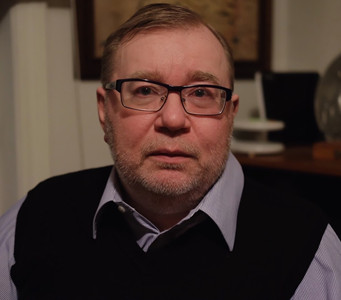
MART LAAR is a former prime minister of Estonia.
Opinions expressed in articles and other materials are those of the authors; they do not necessarily reflect IMF policy.
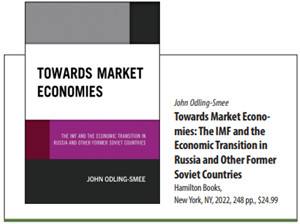 The author is a retired economist who from 1992 to 2003 headed the IMF team responsible for the former Soviet republics. The book moves smoothly from government offices in the former Communist Party Central Committee building to the dachas of wild young reformers in Arkhangelskoe on the edge of Moscow. It offers a glimpse of the large official dinners where guests were expected to drain their shot glasses of vodka or brandy after each of the many formal toasts. But Odling-Smee does not fail to detail the tragedy of ordinary people during the collapse of the Soviet economy: endless queues before state food shops with empty shelves, shivering people selling small items by the roadside. While personal anecdotes provide context and color and make for an easy read, Odling-Smee knows his subject and provides a serious recount of economic issues.


